Jackets
How to Choose a Custom Jacket Manufacturer in Pakistan
March 1, 2026 · 10 min read
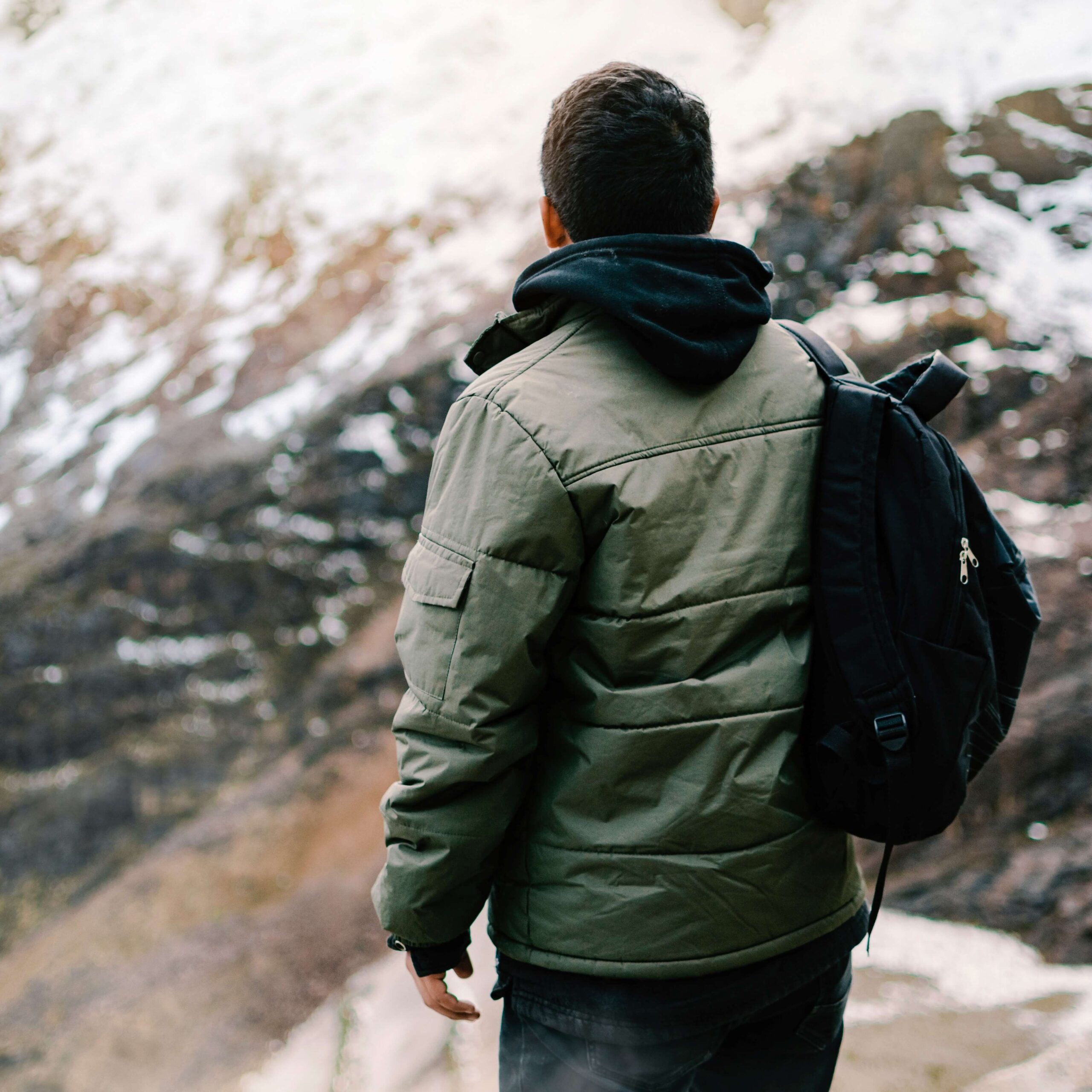
Brands searching for a custom jacket manufacturer in Pakistan usually want one factory that can handle multiple outerwear styles — not five separate suppliers. Sialkot has long specialized in sports and casual outerwear for export, which is why importers still route varsity, puffer, bomber, softshell, and rain programs through Pakistani OEM partners. This guide walks through how to brief, sample, and scale a jacket program with a factory like Tradeem International without wasting a season on avoidable mistakes.
If you are comparing China, Vietnam, Turkey, and Pakistan for outerwear, the decision rarely comes down to “who is cheapest on a single line.” It comes down to whether the factory already understands letterman construction, puffer baffles, softshell membranes, and export packing — and whether they will still answer you when you reorder next winter. A quote that looks aggressive on paper but collapses after the first sample revision is more expensive than a slightly higher FOB from a partner who can lock a gold-seal sample and repeat it.
Tradeem International is a family-owned manufacturer and exporter based in Sialkot. Outerwear sits inside a wider catalog that also covers casual wear, sportswear, fitness wear, martial arts, gloves, and caps — useful when your brand wants one vendor conversation for a seasonal drop instead of eight fragmented POs.
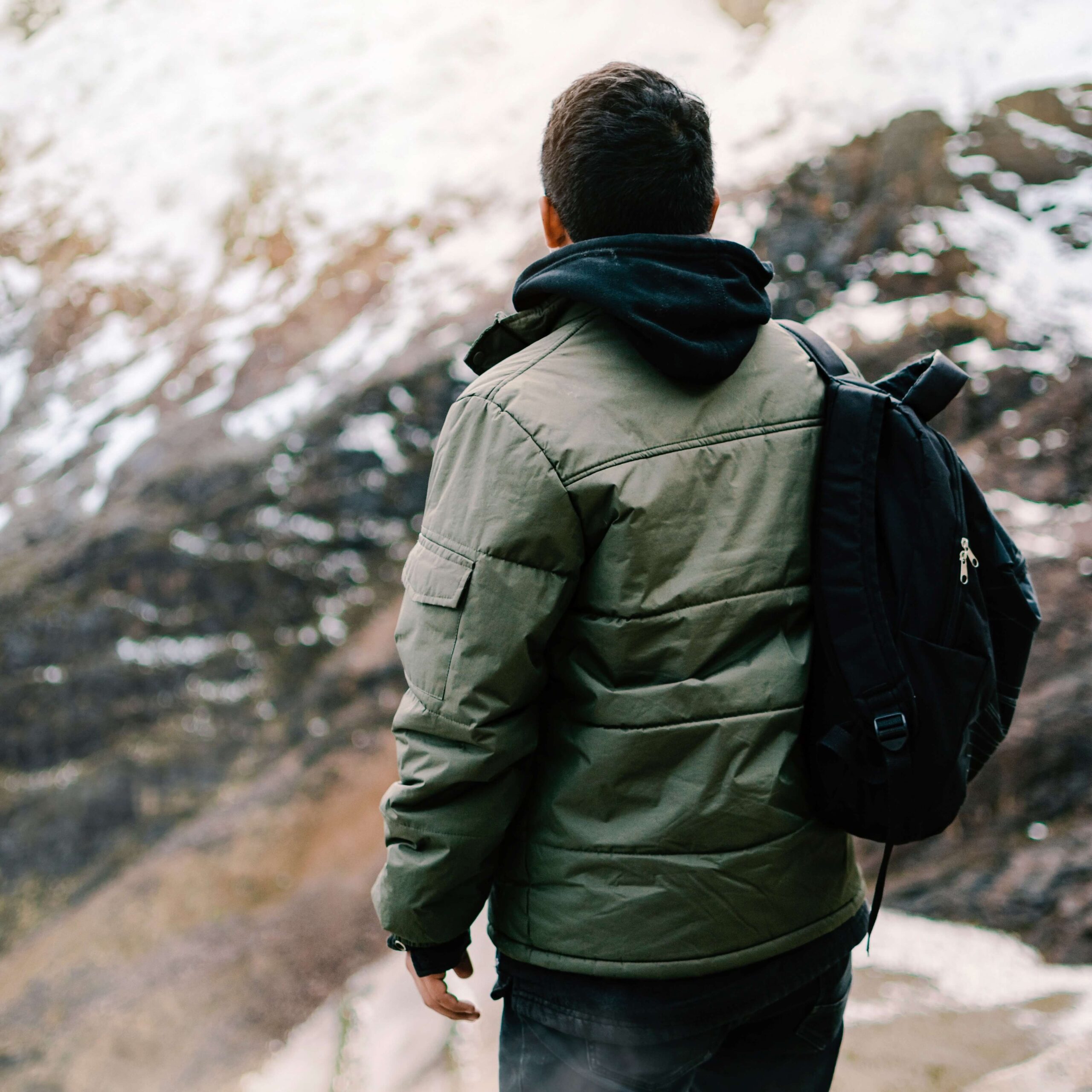
Why Pakistan (and Sialkot) still matter for jackets
Pakistan’s apparel export story is often told through home textiles or basic cut-and-sew, but Sialkot’s sports-goods heritage is different. Factories there grew up making performance and lifestyle products for clubs, distributors, and private-label brands. That means sewing skill on structured jackets, access to decoration (embroidery, printing, sublimation), and familiarity with buyer QC checklists from Europe, the Middle East, and North America.
A serious custom jacket manufacturer in Pakistan will typically offer pattern making and size grading for your market (US, EU, or custom charts); fabric sourcing guidance for shell, lining, fill, ribbing, and zippers; in-house or partner decoration for logos and team marks; a sample → revise → bulk workflow with a documented gold-seal sample; and export packing with polybags, carton marks, and labeling requirements. Ask early whether those services sit under one roof or are subcontracted — both models can work, but transparency matters when timelines slip.
Sialkot’s cluster advantage also shows up in trim availability and seasonal capacity planning. When many factories nearby already sew sports outerwear, you spend less time teaching basic construction and more time refining your brand’s fit and finish. That is especially valuable for first-time importers who do not yet have a full technical design team.
Start with the jacket type, not a generic “jacket” RFQ
A clear brief is the difference between a usable sample and a wasted week. Specifying “jackets” alone forces the factory to guess. Name the silhouette:
- Varsity / letterman jackets — body fabric, sleeve contrast, snap or zipper, chenille-ready chest
- Puffer jackets — fill type (down vs synthetic), baffle construction, shell denier, hood options
- Bomber jackets — nylon or polyester shells, ribbing, pocket layout
- Softshell jackets — membrane, fleece backer, stretch panels
- Rain jackets — waterproof rating goals, taped seams, pit zips
Factories quote faster — and more accurately — when the silhouette is named up front. If you are still deciding between two looks, send both reference photos and ask which is closer to their current production capability. That single clarifying email often saves two sample rounds.
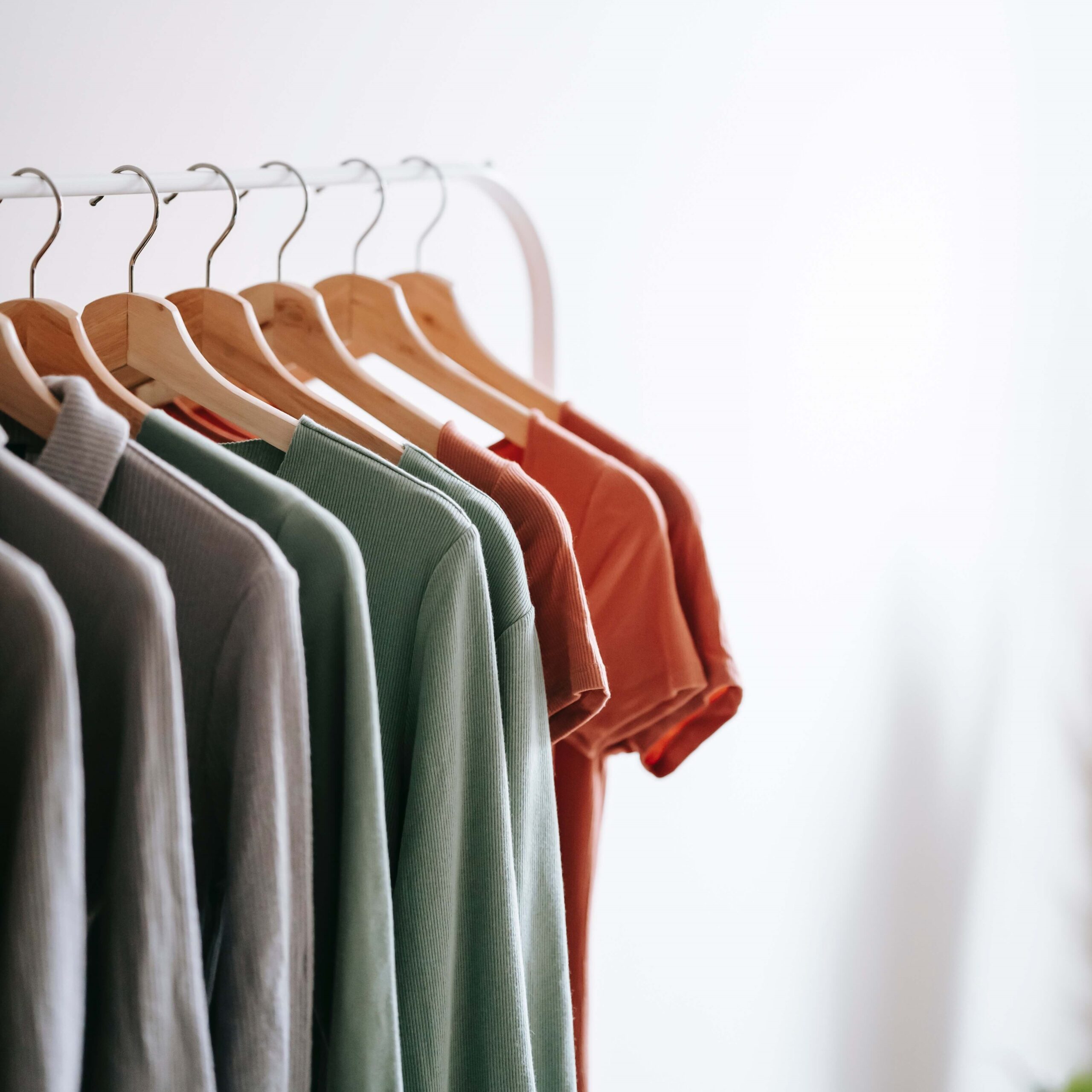
Build a tech pack that a Sialkot factory can actually sew from
You do not need a fashion-house tech pack on day one, but you do need clarity. Include flat sketches or clear photos of front, back, and detail shots (collar, cuff, zipper garage); measurements for at least chest, length, sleeve, and shoulder on the sample size; bill of materials ideas even if approximate GSM or “softshell like XYZ brand”; artwork in vector form when possible with embroidery vs print vs patch noted; quantity and size run (for example 100 pcs, S–XXL distribution); and target market notes that affect labeling, care instructions, and fit preference.
If you only have a competitor photo, say so. Many OEM partners can reverse-engineer a close commercial match, then refine after the first sample. Tradeem’s contact form accepts attachments (PDF, images, spreadsheets) so your brief and files stay together instead of living in scattered chat threads.
What to ask every custom jacket manufacturer in Pakistan
- MOQ per style and colorway — many Tradeem-style programs start around 100 units per style. Confirm whether mixed sizes count toward MOQ.
- Decoration method — embroidery, screen print, or sublimation, and where it can sit without breaking seams or waterproofing.
- Trim brands — zipper quality is a common failure point; ask what they stock vs. special-order.
- Sample policy — cost, timeline, number of free revision rounds, and whether bulk follows the approved sample as gold seal.
- Lead time — sample weeks plus production weeks after deposit / PO.
- Export packing — individual polybags, hangtags, barcode labels, carton specs.
- QC process — in-line checks, final AQL, and how defects are documented.
Fabric and construction notes by jacket family
Varsity and letterman
Buyers often underestimate sleeve contrast and ribbing quality. Ask about body fabric options (wool blends, speedo, cotton-rich), snap durability, and pocket construction. If you plan chenille letters later, leave chest space and confirm embroidery digitizing support. Contrast sleeves that pill early will destroy perceived quality even if the body fabric feels premium on day one.
Puffers
Clarify fill power or synthetic gram weight, baffle shape, and whether the shell is water-resistant. Cold-market retailers will ask about loft after wash — discuss care labels early. Uneven baffles and cold spots are among the most common customer complaints on poorly controlled puffer runs.
Bombers
Flight-style bombers live or die on rib quality and zipper. Lightweight fashion bombers can use softer shells; workwear-leaning bombers need tougher nylon and reinforced stress points. Specify pocket count and lining type because those details change both cost and hangar appeal.
Softshell and rain
Do not treat these as “just another jacket.” Softshell comfort depends on stretch and breathability; rain jackets need seam strategy. Share your climate use case (commute vs alpine vs team sideline) so the factory can recommend realistic constructions instead of overselling a membrane you do not need.
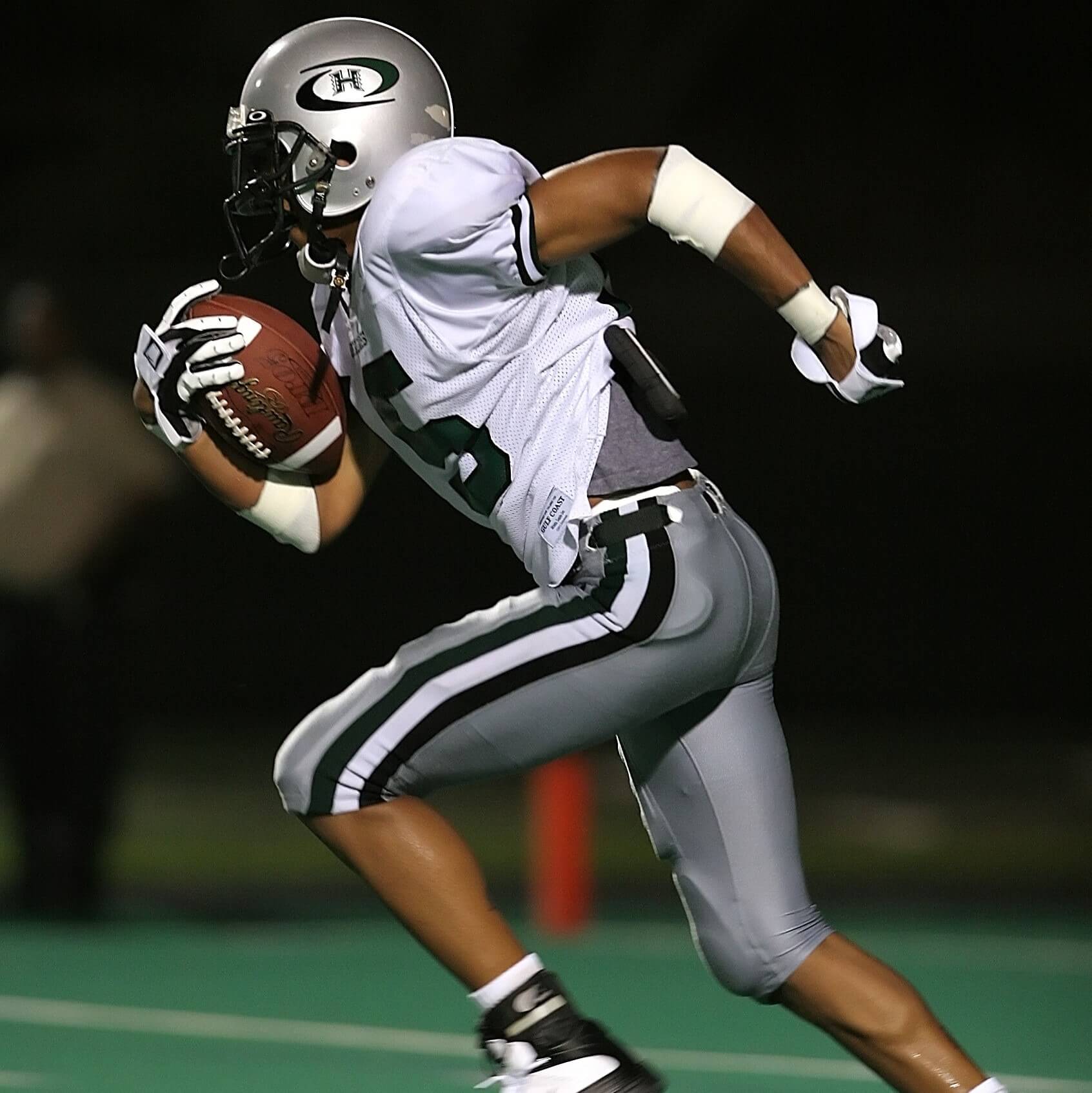
Sampling without burning your budget
Order one hero size first (often M or L). Approve fit, then grade. Avoid changing fabric, zipper, and logo placement in the same revision — change one variable per round when possible. Photograph the sample on a dress form and on a real body; factories respond better to marked photos than vague “make it nicer” notes.
Once approved, ask the factory to retain a sealed reference sample. That gold seal is your protection when bulk arrives months later. If you plan multiple colorways, approve construction in one color first, then release colorways against the sealed fit — do not re-debate silhouette on every Pantone.
Pricing signals (without fake “exact” FOBs)
Public websites that publish a single jacket price are usually selling blanks or ignoring trims. Real OEM pricing moves with fabric, fill, zipper grade, decoration complexity, and order quantity. When you compare quotes from two factories, align the assumptions: same silhouette, same GSM, same decoration, same Incoterm. Otherwise you are comparing different products.
Also ask what is included in the quoted unit: hangtags, woven labels, carton marks, and polybags can sit outside a low headline number. A clean quote sheet with assumptions listed is more valuable than a round number sent in a one-line email.
Comparison: Pakistan vs other outerwear sourcing options
China often wins on ultra-complex fashion jackets with dense trim ecosystems, but communication bandwidth and MOQ expectations can be heavy for small brands. Vietnam and Turkey can be strong for certain shells and delivery corridors into Europe. Pakistan — especially Sialkot — remains competitive when you need sports-lifestyle outerwear, flexible decoration, and a factory willing to work from a practical brief rather than a 40-page PLM export. Use a comparison matrix with columns for MOQ, sample weeks, decoration capability, and freight corridor to your warehouse. Price alone should never be the only row that decides the PO.
Packing, labeling, and shipping for jacket exports
Jackets take more carton volume than tees. Plan packing early: individual polybags (often with size stickers), folded presentation standards, hangtags, and carton marks that match your warehouse scanning. Confirm whether cartons should be size-pure or mixed assortment. For retailers, barcode placement and carton dimensions can be contractual — share those rules before bulk packing starts.
Discuss Incoterms clearly (commonly FOB). Confirm who books freight, who handles export documentation, and how shortages are handled if a carton is damaged in transit. If you are consolidating jackets with caps or teamwear from the same factory, ask for a packing list structure that keeps SKUs scannable on arrival.
QC checklist for custom jackets
- Measurement tolerances vs the approved size chart
- Zipper function, slider stoppers, and puller attachment
- Snap alignment and pull strength on letterman styles
- Fill distribution and cold spots on puffers
- Seam finishing, loose threads, and needle holes on shell fabrics
- Logo placement vs artwork map; embroidery density on stretch panels
- Color shade consistency across sizes and cartons
- Label content: fiber, care, origin, and size
- Packing presentation vs sealed sample reference
Agree whether final inspection uses a documented AQL and whether photos of defects are shared before shipment. For waterproof styles, confirm whether taped seams are checked visually or with a spot test protocol you accept.
Common mistakes brands make on jacket programs
- RFQing “jackets” without naming the silhouette
- Changing fabric and logo placement in the same sample round
- Ignoring zipper grade to hit a target FOB
- Approving a photo sample without measuring the body
- Ordering five colorways before one construction is sealed
- Leaving labeling rules until the week of ship
- Comparing factory quotes that assume different trims
RFQ template you can copy for Tradeem
- Company, ship-to country, and target season
- Silhouette (varsity / puffer / bomber / softshell / rain)
- Reference images (front, back, details)
- Target quantity and size run
- Preferred shell / fill / lining notes
- Decoration method and artwork files
- Labeling and hangtag requirements
- Desired sample date and bulk ship window
- Incoterm preference and any retailer packing rules
Paste that list into the quote request and attach files in one message. Browse the jackets category first if you want to anchor the conversation on a family Tradeem already manufactures.
FAQ: custom jacket manufacturing in Pakistan
What MOQ should I expect? Many custom programs start near 100 units per style. Confirm whether that is per colorway and whether mixed sizes count.
How long do samples take? Plan in weeks, not days. Complex puffers and rain constructions need more time than a simple bomber.
Can one factory handle varsity and softshell? Some can. Ask for recent production examples of each silhouette rather than assuming a general “jacket” capability.
Should I source fabric myself? Only if you already control mills. Most brands benefit from factory-guided sourcing with approved swatches.
Can I add matching apparel later? Yes — many buyers add tees, caps, or team kits after the jacket seals. Start the conversation on products and grow deliberately.
How Tradeem approaches jacket programs
Tradeem International manufactures jackets across varsity, puffer, bomber, softshell, and rain styles, with embroidery, screen printing, and sublimation available depending on the construction. The practical path is always the same: tight brief, deliberate sample, gold seal, then bulk. If you also need matching casual or sports pieces, one conversation can cover the full drop — learn more about Tradeem or send files through contact.
Checklist before you send your first RFQ
- Silhouette named (not just “jacket”)
- Reference images attached
- Target quantity and size run
- Decoration method preferred
- Market and labeling notes
- Desired sample date and bulk ship window
- QC and packing expectations written down
Choosing a custom jacket manufacturer in Pakistan is less about finding the lowest email quote and more about finding a factory that can repeat your approved sample at scale. Start with a tight brief, sample deliberately, lock packing and QC rules before cutting, and seal the gold sample before you open the season.
Ready to manufacture with Tradeem?
Share your quantity, category, and files — we respond with real pricing and lead-time guidance.
Get a free quote