Sports Wear
Custom Sportswear Manufacturer: Building Team Uniforms That Last
March 8, 2026 · 8 min read
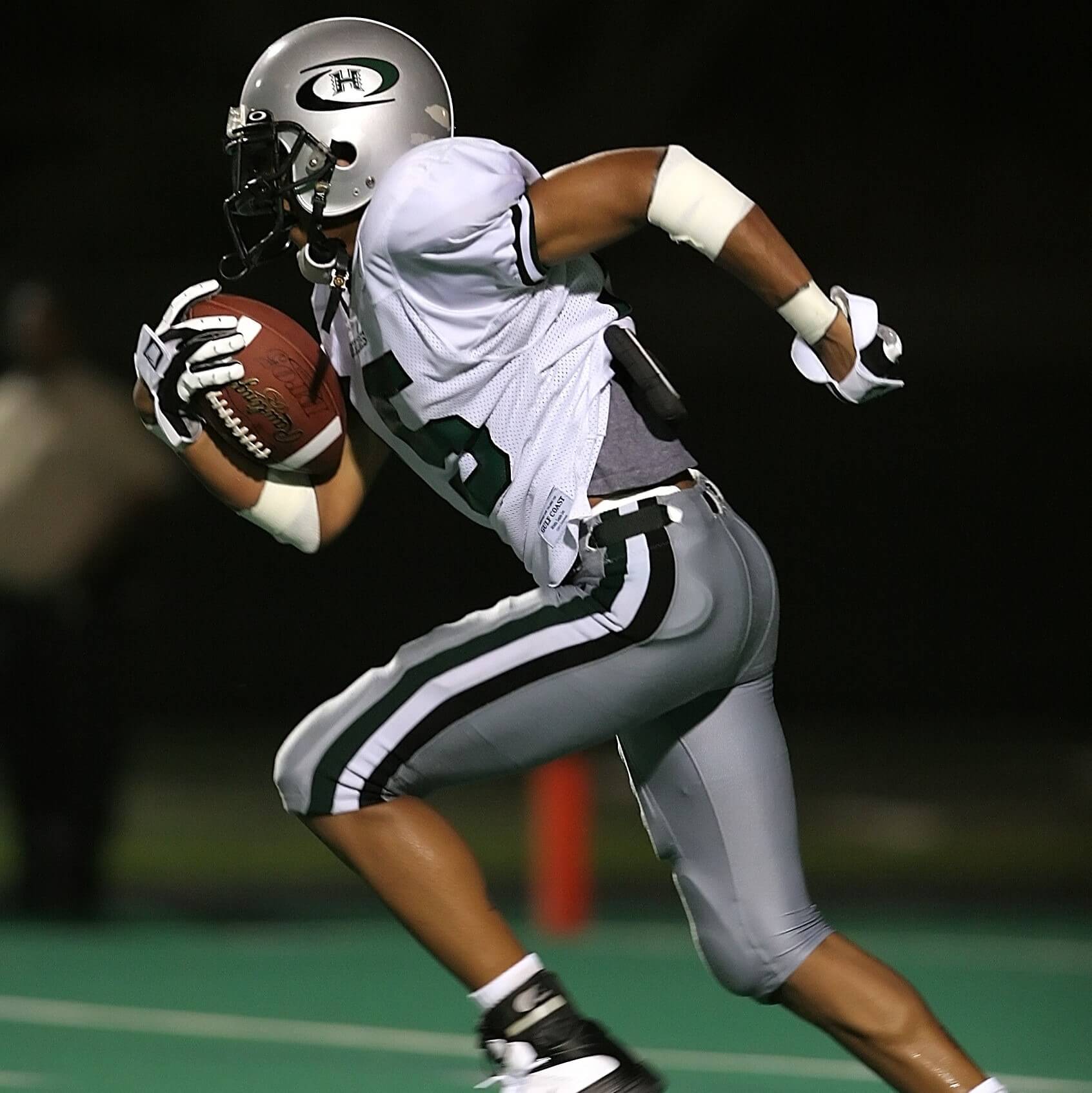
A strong custom sportswear manufacturer does more than print a logo on blank jerseys. For teams, academies, and private-label athletic brands, the factory must lock fabric, sublimation art, numbering, and size runs into one production ticket — then deliver sets that still look sharp after a season of washes and games. This guide is written for buyers who need repeatable teamwear, not one-off fan merchandise.
Tradeem International manufactures sports uniforms alongside casual wear, jackets, fitness wear, martial arts gear, gloves, and caps from Sialkot, Pakistan. That multi-category capacity matters when a club wants match kits plus warm-ups, or a brand wants jerseys plus retail replicas. Consolidating vendors reduces color drift between apparel families and simplifies freight planning before a season opener.
Whether you manage a school athletic department, a semi-pro club, or a DTC sports brand, the same production truths apply: art must be production-ready, rosters must be frozen before cutting, and fabric must be sampled in the actual cloth you will wear — not only previewed on a screen.
What “custom sportswear” actually includes
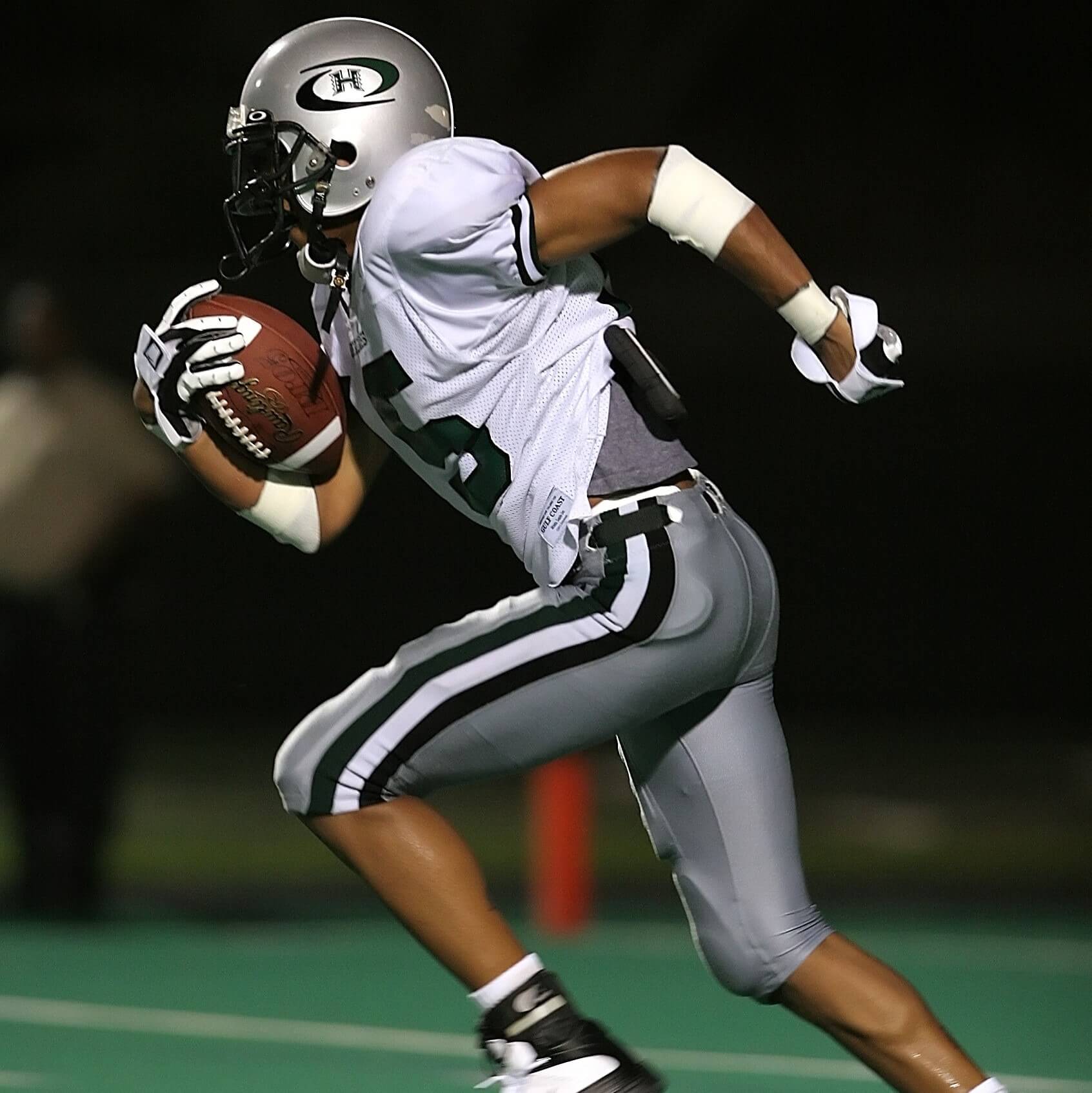
Buyers use the phrase loosely. Clarify whether you need match jerseys and shorts (home / away / third); training tops and bottoms; basketball singlets and shorts; American football practice or game jerseys; cricket whites or colored kits; or sideline jackets and travel wear. Each product family has different fabric and decoration norms. Sublimation dominates many team jerseys; embroidery still wins on some outerwear and caps. A good manufacturer will tell you when your art is better as dye-sub versus a heat transfer.
Also separate “player issue” from “fan retail” in your purchase order. Player kits often prioritize breathability, number accuracy, and durability under laundry abuse. Retail replicas may prioritize margin, packaging, and size assortment for e-commerce. Mixing both intents in one vague RFQ creates QC confusion later.
Sports that drive B2B uniform demand
Most OEM sportswear RFQs cluster around:
- American football uniforms
- Basketball uniforms
- Soccer uniforms
- Cricket uniforms
- Ice hockey and baseball seasonal programs
- Basketball shorts as standalone or set pieces
If your program spans more than one sport, send separate art packs per sport even when logos share a brand system. Placement rules differ between a soccer jersey chest mark and an American football shoulder mark.
Brief checklist for teamwear that factories respect
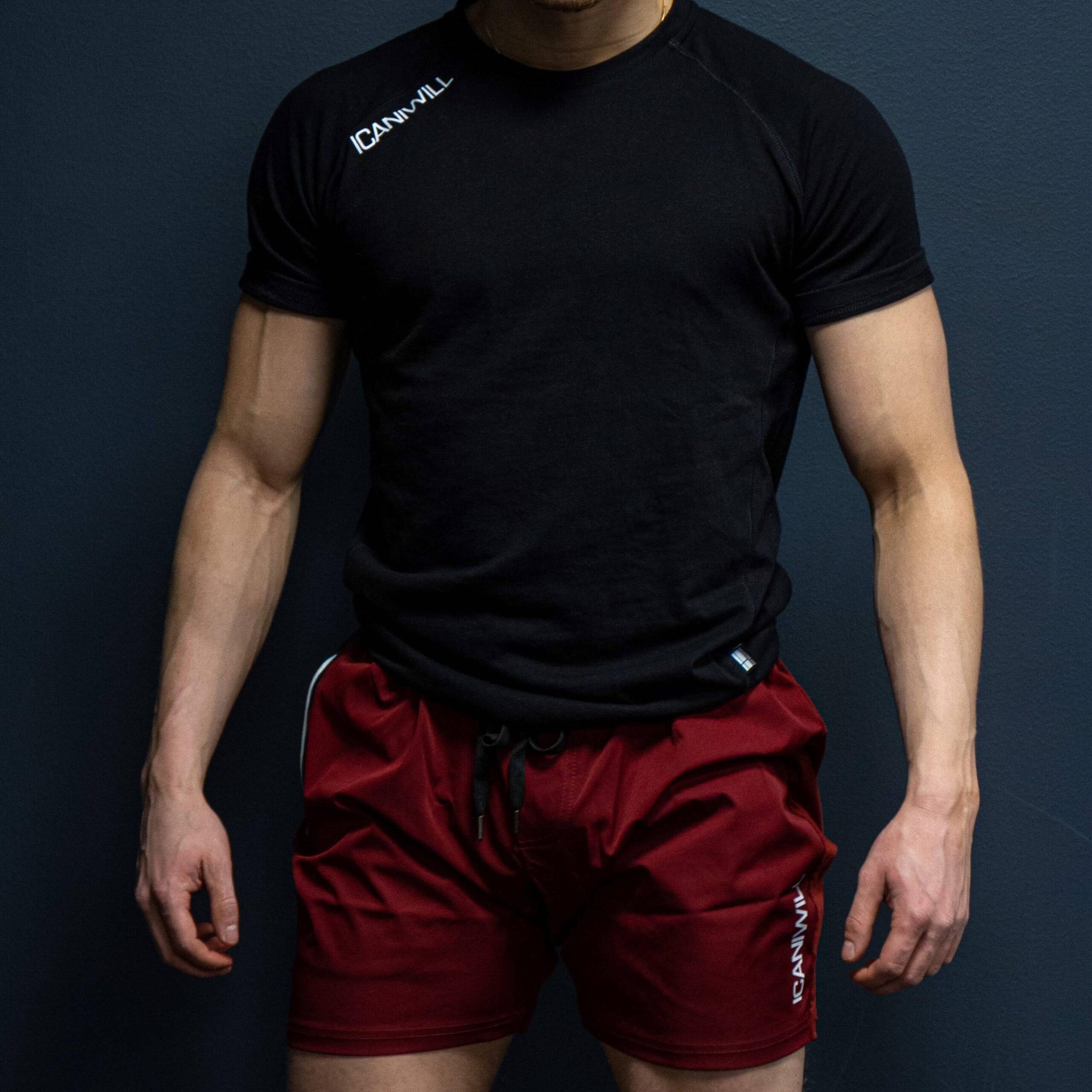
- Art files — vector logos (AI, EPS, SVG, or high-res PDF), Pantone or hex colors, home/away variants clearly labeled.
- Decoration — full sublimation vs. heat transfer vs. embroidery on warm-ups; note sponsor placements.
- Roster sheet — names, numbers, and sizes in one spreadsheet (not scattered chat messages).
- Performance fabric — mesh GSM, stretch panels, moisture management expectations.
- Fit preference — athletic slim vs classic; youth vs adult grading.
- Reorder code — keep an approved style ID for next season so you are not redesigning from scratch.
Attach that package once through Tradeem’s quote flow rather than drip-feeding updates across weeks. Late file swaps are one of the top causes of missed ship windows.
Sublimation realities (the part buyers forget)
Sublimation dyes polyester; it does not behave the same on cotton-rich fabrics. If you insist on a cotton hand-feel for a fully sublimated jersey, expect a technical conversation — or a different decoration method. Also plan for bleed, safe zones around seams, and number sizing that remains readable on camera. Ask your manufacturer for a printed fabric swatch or a one-piece strike-off before you approve a 40-player roster.
Contrast colors that look sharp on a monitor can muddy on mesh. Request a physical strike-off under both indoor and outdoor light if your games are televised or photographed heavily. Sponsor logos need clear exclusion zones so they do not collide with numbers or league marks.
Roster and sizing: where most delays happen
Factories can cut efficiently when sizes arrive as a consolidated matrix. Send player name (as it should appear), number, size, and any special length notes (rare, but useful for goalkeepers or tall athletes). Freeze the roster before cutting. Late number changes are expensive because sublimation panels are not “just reprint the badge.”
For youth programs, include a clear adult vs youth size chart and avoid mixing nomenclature like “YXL” without a definition. For clubs with frequent call-ups, keep a small contingency buffer in the most common sizes rather than rewriting the entire roster mid-production.

MOQs, samples, and season timing
Teamwear MOQs vary by decoration setup and whether you need multiple colorways. A practical approach for schools and clubs is to sample one complete kit (jersey + short), approve it, then place bulk with a clear ship-by date tied to the season opener. Build buffer for customs and last-minute roster adds. Brands selling replicas should separate “team production” from “retail production” in the PO so QC standards stay clear.
Work backward from your first game or launch date: sample approval, bulk production, packing, freight, and receiving. If your season starts in August, do not open the RFQ in July and expect miracles. A reliable custom sportswear manufacturer will tell you honestly when a date is unrealistic.
Comparison: sublimation vs heat transfer vs embroidery
Full sublimation is ideal for all-over graphics and multi-color team identity on polyester. Heat transfer can work for simpler marks or last-minute number fixes, but durability and hand-feel differ. Embroidery remains strong on warm-up jackets, polos, and caps where a premium raised mark matters. Many programs mix methods: sublimated match kits plus embroidered sideline outerwear. Ask the factory which method matches each garment’s fabric and stress points instead of forcing one decoration everywhere.
Packing and shipping for team orders
Decide whether kits should be packed by player (jersey + short + socks together) or by SKU. Player packs save distribution time on arrival but need accurate roster mapping. SKU packs are easier for warehouses and retail. Label cartons with team name, colorway, and size contents. Confirm polybag standards and whether you need individual size stickers for e-commerce units.
For international shipments from Sialkot, clarify Incoterms, commercial invoice descriptions, and whether multiple sports share one consolidation. Clubs often combine uniforms with fitness wear training sets or caps — one packing list with clear SKU lines prevents receiving chaos.
QC checklist for sportswear that will be worn hard
- Color consistency across panels and sizes
- Number alignment and spelling against the roster
- Name spelling and character spacing
- Seam strength in high-stress zones (armholes, crotch, side seams)
- Elasticity and recovery on waistbands and cuffs
- Shrinkage expectations after wash
- Care label correctness for your market
- Packing accuracy vs player or size matrix
Request a wash-care label set that matches your market’s regulations. Players will bleach and tumble-dry no matter what you print on the label — still, correct care icons reduce return disputes for retail programs.
Common mistakes in teamwear sourcing
- Sending low-resolution logos and expecting crisp sublimation
- Changing numbers after fabric is printed
- Ignoring youth grading until parents complain
- Approving art on screen without a fabric strike-off
- Ordering third kits before home/away are sealed
- Forgetting sponsor placement rules until late proofs
- Comparing quotes that assume different GSM fabrics
RFQ template for clubs and sports brands
- Sport and kit type (match / training / retail replica)
- Home, away, third colorways required
- Vector artwork + Pantone references
- Roster spreadsheet (name, number, size)
- Fabric preferences or reference garments
- Decoration method preferences
- Quantity by size and ship-by date
- Packing preference (player pack vs SKU pack)
- Destination country and labeling notes
Explore Tradeem’s sports wear range, then send the package through contact. Attach files up to 15 MB and include order quantity so pricing discussions start from real numbers.
FAQ: working with a custom sportswear manufacturer
Can you mix adult and youth in one PO? Usually yes, if the roster separates them clearly and grading charts are defined.
How do reorders work next season? Keep a style code and sealed sample so you are not redesigning from scratch.
What if a player joins late? Plan a buffer in common sizes or accept a short add-on run with different unit economics.
Do you need separate factories for jackets? Not always — many clubs source sideline jackets from the same Sialkot partner that builds kits. See the jackets category if that matters for consolidation.
Where can I learn about the factory? Read about Tradeem and browse the broader catalog before you lock a multi-sport program.
Sialkot advantage for sports uniforms
Sialkot’s sports goods ecosystem means cutting, stitching, and decoration often sit close together. That reduces the “art looked fine / jersey came wrong” gap common with multi-vendor sourcing. Pair that with a manufacturer who already lists your sport in their catalog and you shorten the learning curve.
Lead times, deposits, and production tickets
After art and roster approval, the factory issues a production ticket that should freeze fabric, colorways, sizes, and decoration. Treat that ticket as the source of truth. Verbal “small changes” after cutting starts create rejects and missed games. Confirm deposit timing, balance terms, and whether photo updates are available mid-line for large club orders.
If multiple teams share one academy brand, decide whether they share a master style with different rosters or fully separate style codes. Shared masters reduce development cost; separate codes protect one team’s late changes from delaying another.
Final takeaway
The best custom sportswear manufacturer is the one that treats your roster like production data, not a casual email attachment. Nail the brief, sample the fabric and art, freeze sizes, lock packing rules, and keep a style code for reorders. That is how clubs and brands get uniforms that still look intentional in year two — and how private-label sports brands build a repeatable OEM relationship instead of reinventing kits every season.
Ready to manufacture with Tradeem?
Share your quantity, category, and files — we respond with real pricing and lead-time guidance.
Get a free quote