Manufacturing
How to Choose a Clothing Manufacturer for Your Startup Brand
March 29, 2026 · 8 min read
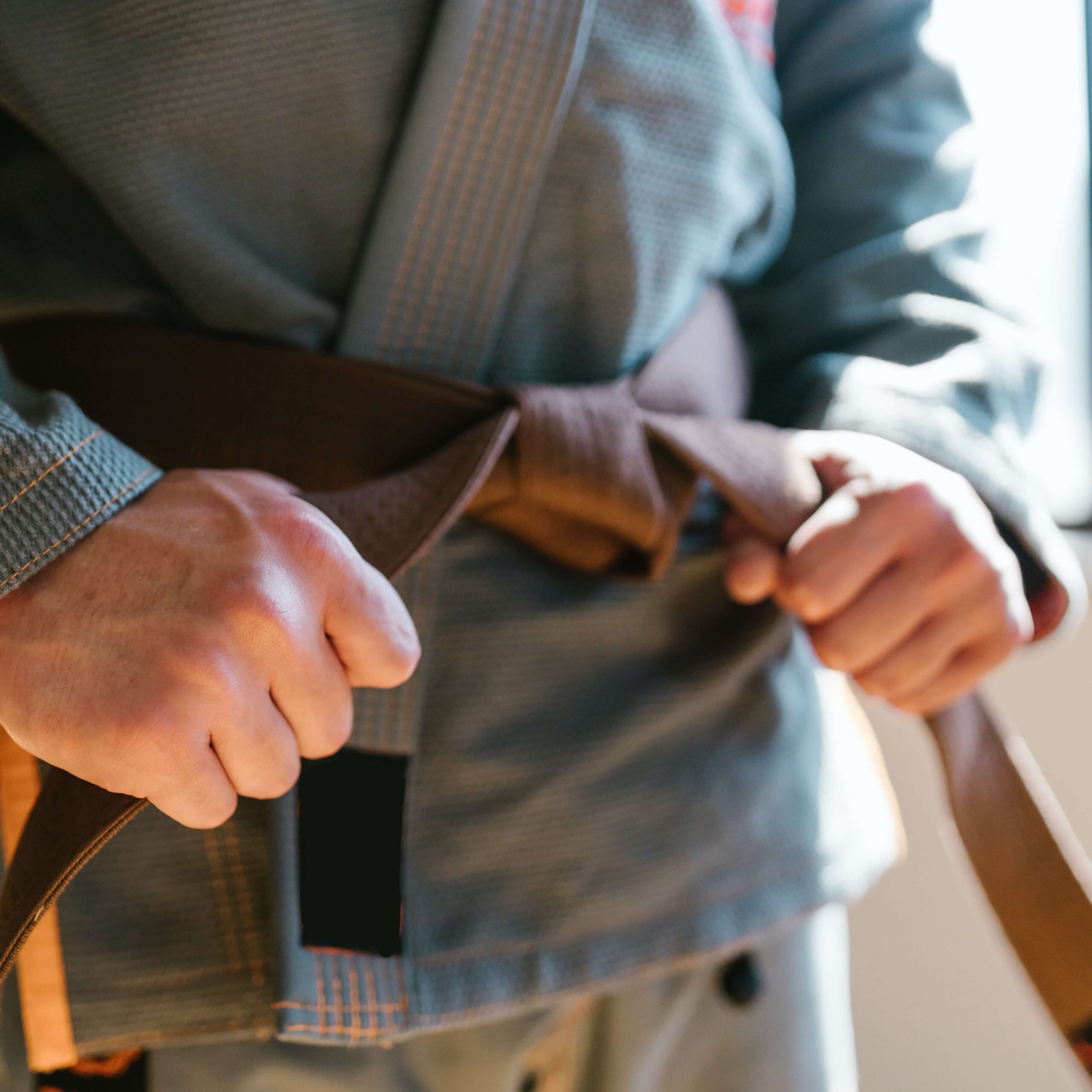
If you are Googling how to choose a clothing manufacturer, you are past the logo stage — you need a partner who can sample, grade, decorate, and ship. This framework is written for startup founders and small brands, not enterprise sourcing teams with 40-page vendor manuals. Use it to shortlist factories, run a clean first sample, and avoid the most expensive early mistakes.
Most failed first POs share the same pattern: a vague brief, a tempting unit price, no sealed sample, and a rush to launch before QC rules exist. The fix is process, not perfection. Tradeem International — a family-owned Sialkot manufacturer exporting jackets, sportswear, casual, fitness, martial arts, gloves, and caps — works best with founders who communicate in files and decisions, not endless mood boards.
1. Match the factory to your product family
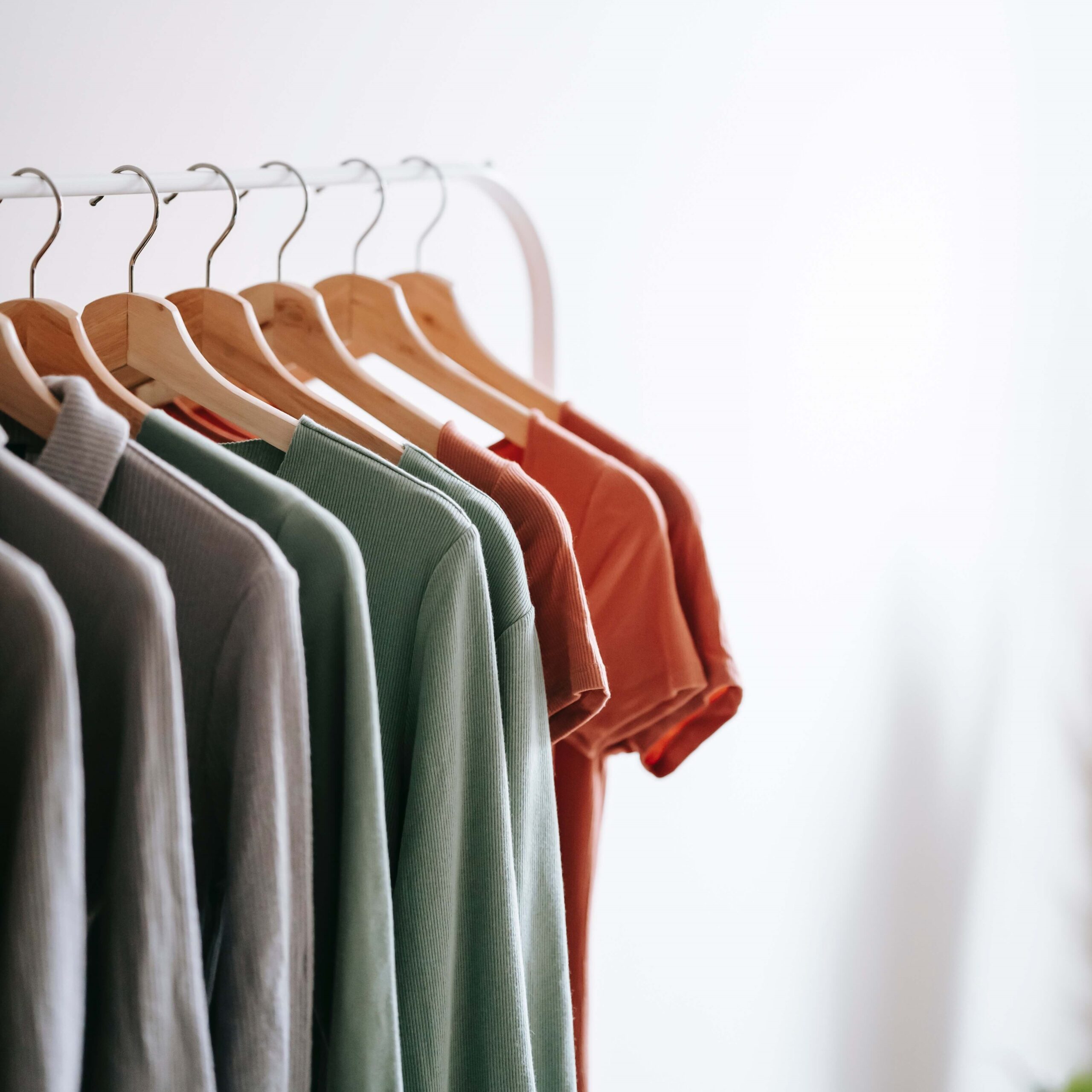
A denim specialist is the wrong place for sublimated soccer kits. A jersey house may not be ideal for structured leather gloves. Shortlist manufacturers that already publish your category: casual wear, sportswear, jackets, fitness, martial arts, gloves, or caps. Browse Tradeem’s product catalog and category pages to test fit before you email.
Category match reduces teaching cost. You want a factory that already knows your product’s failure modes — zipper failures on jackets, number misalignment on teamwear, foam issues on gloves. Asking a generalist to invent that knowledge on your dime is how timelines expand.
2. Decide private label vs full custom
Full custom patterns are powerful but slower. Many startups should begin with a catalog silhouette — a tee, hoodie, or jacket the factory already runs — then customize fabric, color, and branding. That is still “your product” to customers. Read more in our private label guide, then choose deliberately.
Full custom makes sense when fit is your moat. Private label / light OEM makes sense when speed and cash discipline matter more than inventing a new block pattern. Write the choice into the RFQ so quotes include the right development effort.
3. Demand a sample path, not only a price
Unit FOB without a sample plan is incomplete. Ask for sample lead time, sample cost and what it includes, revision policy, and whether bulk uses the approved sample as gold seal. If a factory will not sample, you are buying hope.
Photograph and measure the sample. Mark issues on images. Change one variable per revision when possible. When approved, ask the factory to retain a sealed reference. That gold seal is the contract your future bulk shipment should be measured against.
4. Score communication and file handling
Can they work from a tech pack and a reference photo? Do they confirm art placements before cutting? Do they reply with clear questions? Tradeem’s quote flow accepts quantity plus attachments (PDF, images, spreadsheets up to 15 MB) so specs do not live only in chat scrolls.
Communication quality predicts production quality more reliably than a glossy brochure. Prefer factories that summarize assumptions in writing: fabric, decoration, Incoterm, MOQ definition, and ship window.

5. Understand MOQ like a CFO, not like a mood board
Low MOQ helps, but dead inventory hurts more. Calculate how many units you can afford to hold for 90 days. Ask whether MOQ is per style or per color. Confirm size assortment rules. A factory offering 100 pcs per style can still be “too big” if you insist on five colors.
Model landed cost, not only FOB: freight, duties, returns risk, and storage. A slightly higher unit price with fewer SKUs often leaves more cash for marketing — which is what actually sells the first drop.
6. Check export and QC basics
- Incoterms clarity (FOB and what that includes)
- Labeling and packaging for your market
- In-line and final QC checkpoints
- How shortages and defects are handled
- Reorder process for season two
Ask for a written QC checklist before bulk. Founders who wait until goods arrive to invent quality standards usually lose the argument and the season.

7. Start narrower than you think
One hero style in two colors beats eight untested SKUs. Launch, collect feedback, then expand. Factories prefer this too — their lines run cleaner, and your brand learns faster. Use the first PO as a systems test: labeling, packing, freight, customer feedback, and reorder speed.
8. Use a simple vendor scorecard
Rate each shortlisted manufacturer 1–5 on: category fit, sample quality, communication speed, MOQ flexibility, decoration capability, and export packing. Weight communication equal to price. Ghosting after deposit is more expensive than a slightly higher FOB.
Add columns for sample weeks and whether they asked smart questions about your market. A factory that interrogates your brief is usually safer than one that agrees to everything instantly.
9. Comparison framework: local blank printers vs overseas OEM
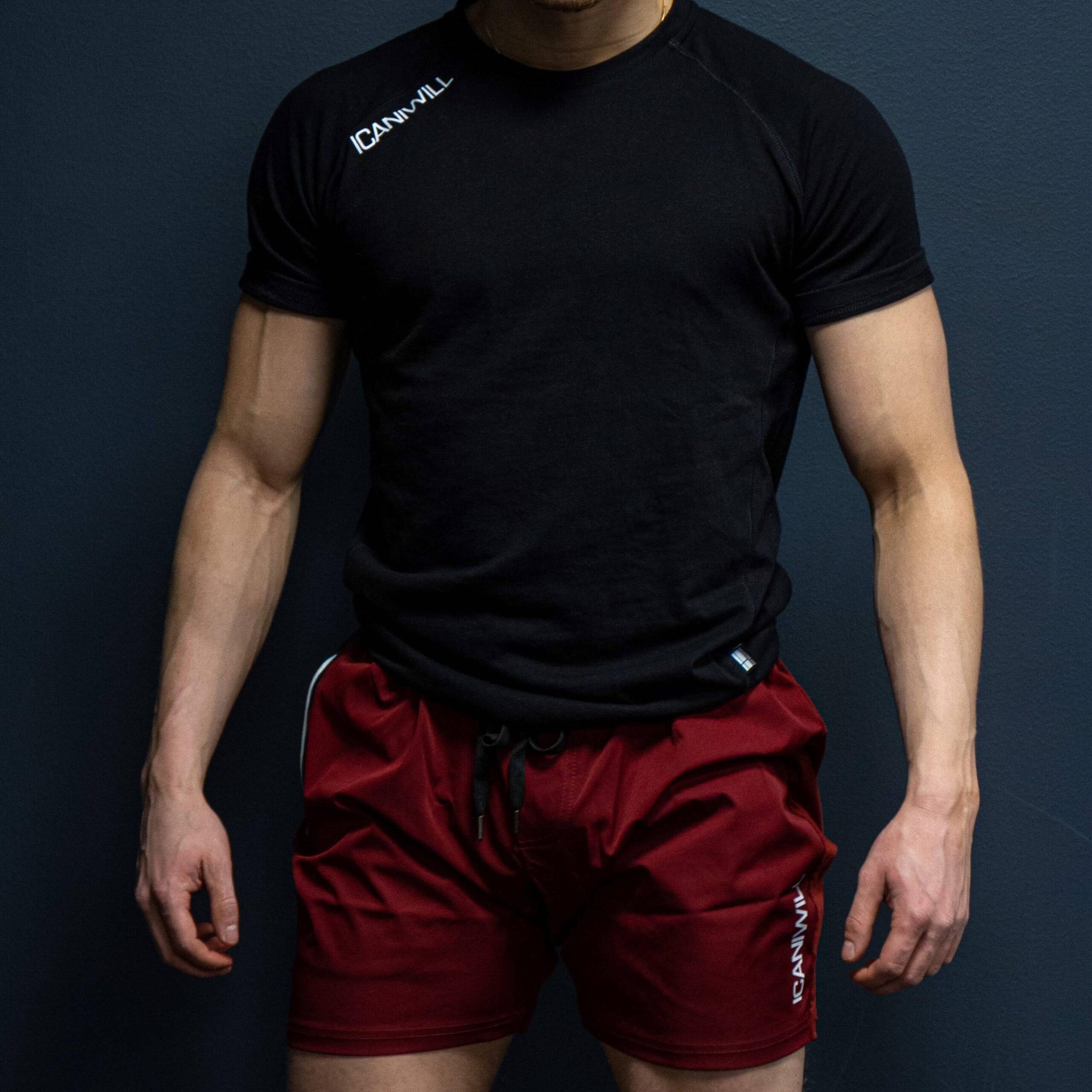
Local blank decoration wins for tiny tests and events. Overseas OEM / private label wins when you need brand-owned labels, custom fabric choices, and better unit economics at a few hundred pieces. Many startups use local blanks to validate demand, then move winning designs to a Sialkot partner for scale. Knowing how to choose a clothing manufacturer includes knowing which stage you are in — do not force an OEM quote onto a ten-piece merch experiment, and do not expect blank economics on a custom cut-and-sew jacket.
10. Packing and shipping checklist for first-time importers
- Polybag and size sticker standards
- Hangtags and care labels for destination rules
- Carton marks that match your warehouse or 3PL
- Incoterm and freight booking ownership
- Commercial invoice descriptions that match reality
- Packing list structured by SKU and size
- Photo confirmation of packed cartons before ship when needed
Share retailer or marketplace packing rules early. Fixing labels after goods are sewn is expensive; fixing them after they sail is worse.
11. QC checklist you can attach to every PO
- Measurements vs approved chart
- Shade continuity across the order
- Decoration placement vs artwork map
- Seam integrity and finishing
- Label accuracy (fiber, care, size, origin)
- Assortment accuracy vs PO
- Packing presentation vs sealed sample
Decide defect handling before production: repair, replace, or credit. Ambiguity here creates conflict later.
12. Common startup mistakes
- Designing eight SKUs before selling one
- Choosing a factory that has never made your category
- Paying large deposits with no sample path
- Approving samples without measurements
- Ignoring destination labeling laws
- Comparing quotes with unmatched assumptions
- Expanding into jackets or gloves before core apparel QC is proven
13. RFQ template for your first manufacturer outreach
- Brand stage and ship-to country
- Product category and hero silhouette
- Reference images or competitor links
- Target quantity by color/size
- Decoration method and artwork files
- Labeling and packing requirements
- Sample deadline and bulk ship window
- Budget band or retail price target
- Questions on MOQ, Incoterms, and QC
Send that package via Tradeem’s contact form. Explore sports wear, jackets, or other categories only after the hero path is clear.
FAQ: choosing a clothing manufacturer as a startup
Do I need a lawyer-reviewed contract on day one? You need clear written assumptions; formal contracts scale with order size and risk.
How many factories should I sample? Two is often enough; five parallel samples usually create noise.
When is Sialkot a good fit? When your line is sports, casual athletic, combat, outerwear, gloves, or caps and you want export-ready customization.
Should I visit the factory? Helpful but not mandatory for first small runs if communication and samples are strong.
Where do I learn more about Tradeem? Read about Tradeem and review the catalog before you commit.
14. Red flags
- Unwillingness to put specs in writing
- Pressure for large deposits before any sample
- No questions about your end market
- Artwork accepted without placement confirmation
- “Any product, any quantity, tomorrow” claims
15. Build a 90-day launch timeline
Week 1–2: shortlist factories by category fit and send identical RFQs. Week 3–5: sample, measure, and revise once with marked photos. Week 6: approve the gold-seal sample and lock labels, packing, and assortment. Week 7–10: bulk production and QC. Week 11–12: freight, receiving, and soft launch. Build buffer for customs and revision delays. A timeline on paper prevents the classic founder mistake of announcing a drop date before the factory has even confirmed fabric availability.
Use the same timeline to plan cash: sample fees, deposit, balance before ship, and freight. Knowing when money leaves the account is part of choosing a manufacturer — a partner with clear payment milestones is easier to manage than one that improvises deposit rules mid-PO.
16. Why founders still choose Sialkot partners
Sialkot combines sports-goods heritage with export experience. For brands building athletic, casual, or combat-sports lines, that cluster can shorten sourcing. Tradeem International offers embroidery, screen printing, and sublimation options depending on the product, with a quote-based workflow built for custom programs rather than one-click blanks.
Knowing how to choose a clothing manufacturer is really knowing how to run a professional first order: match category, sample honestly, communicate in files, lock packing and QC, and grow only after the gold-seal sample ships as bulk. Do that once well, and every later season gets easier.
Ready to manufacture with Tradeem?
Share your quantity, category, and files — we respond with real pricing and lead-time guidance.
Get a free quote