Manufacturing
Private Label Clothing Manufacturer: What Low MOQ Really Means
March 15, 2026 · 8 min read
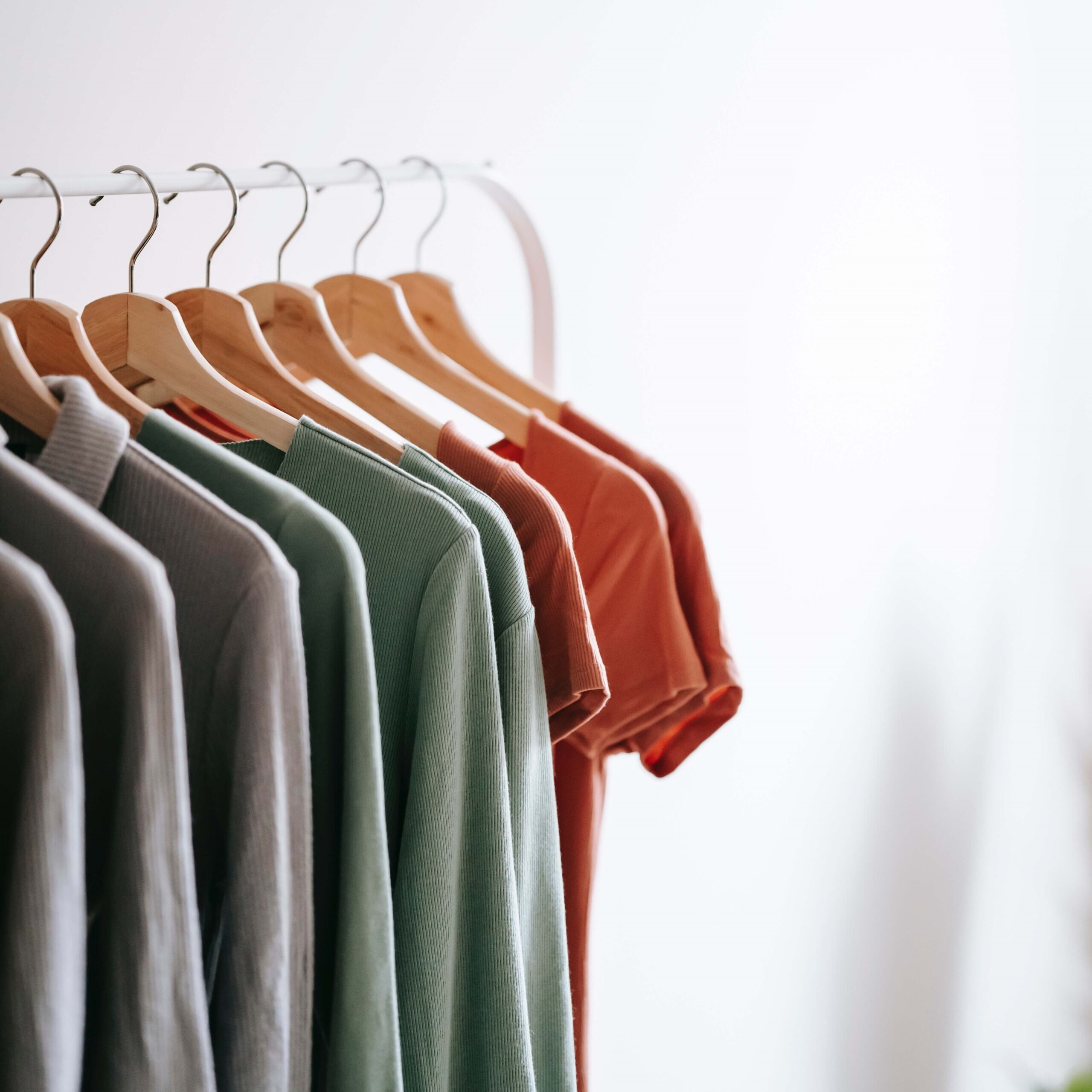
Search interest around private label clothing manufacturer keeps rising as DTC brands and small labels look for factories that will brand garments without forcing multi-thousand-piece buys. “Low MOQ” is real — but only when the brief is production-ready and the product family matches what the factory already knows how to sew. This article explains the terms, the true cost drivers, and how to work with a Sialkot partner like Tradeem without drowning in unsold stock.
Founders often confuse a low minimum with a low-risk launch. The real risk is ordering five colorways of an untested silhouette because an email said “MOQ 100.” A disciplined private label program starts narrow, samples honestly, and expands only after the first shipment earns the right to grow. Tradeem International supports that path as a family-owned manufacturer exporting custom apparel from Sialkot across casual, sports, fitness, jackets, martial arts, gloves, and caps.
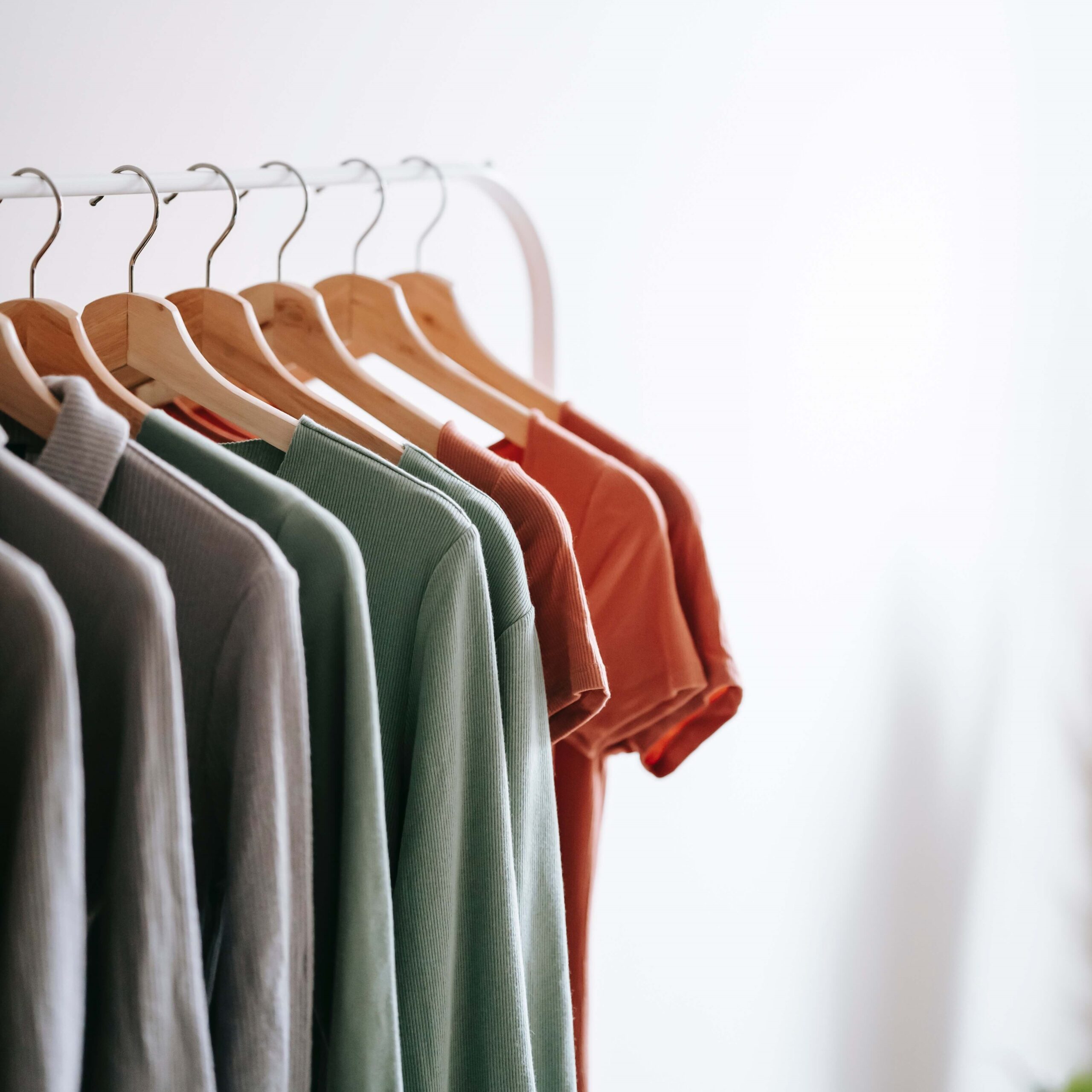
Private label vs OEM vs ODM (plain language)
- Private label — factory or open styles (or close derivatives), your brand labels, tags, and packaging.
- OEM — you bring the design; the factory builds to your tech pack or sample.
- ODM — the factory designs more of the product; you select and brand.
In practice, many first orders sit between private label and light OEM: you pick a Tradeem catalog silhouette (for example a hoodie or polo), change fabric GSM, colors, and embroidery, then ship under your label. That hybrid is often the smartest path for startups because you inherit a construction the factory already understands while still differentiating through fabric, color, and branding.
Full OEM makes sense when fit or construction is a core brand asset you must own. ODM can help when you want design support but still need brand control on labels and packaging. Name the model in your RFQ so quotes assume the right amount of development work.
What “low MOQ” usually means in cut-and-sew
For apparel, MOQs often land near 100 units per style (sometimes per color). Below that, unit cost climbs because markers, cutting setups, line balancing, and QC still happen once. Embroidery digitizing and screen setups add fixed costs that hurt tiny runs. A factory advertising “MOQ 1” is usually selling decorated blanks or digital print — different economics from cut-and-sew teamwear or structured jackets.
Ask every private label clothing manufacturer:
- MOQ per style and per colorway
- Whether mixed sizes count toward MOQ
- Sample cost and timeline
- Decoration setup fees
- What happens if you add a second color later
Write the answers into a simple spreadsheet. When three factories reply with different definitions of “100 pcs,” you will see immediately which quote is actually comparable.
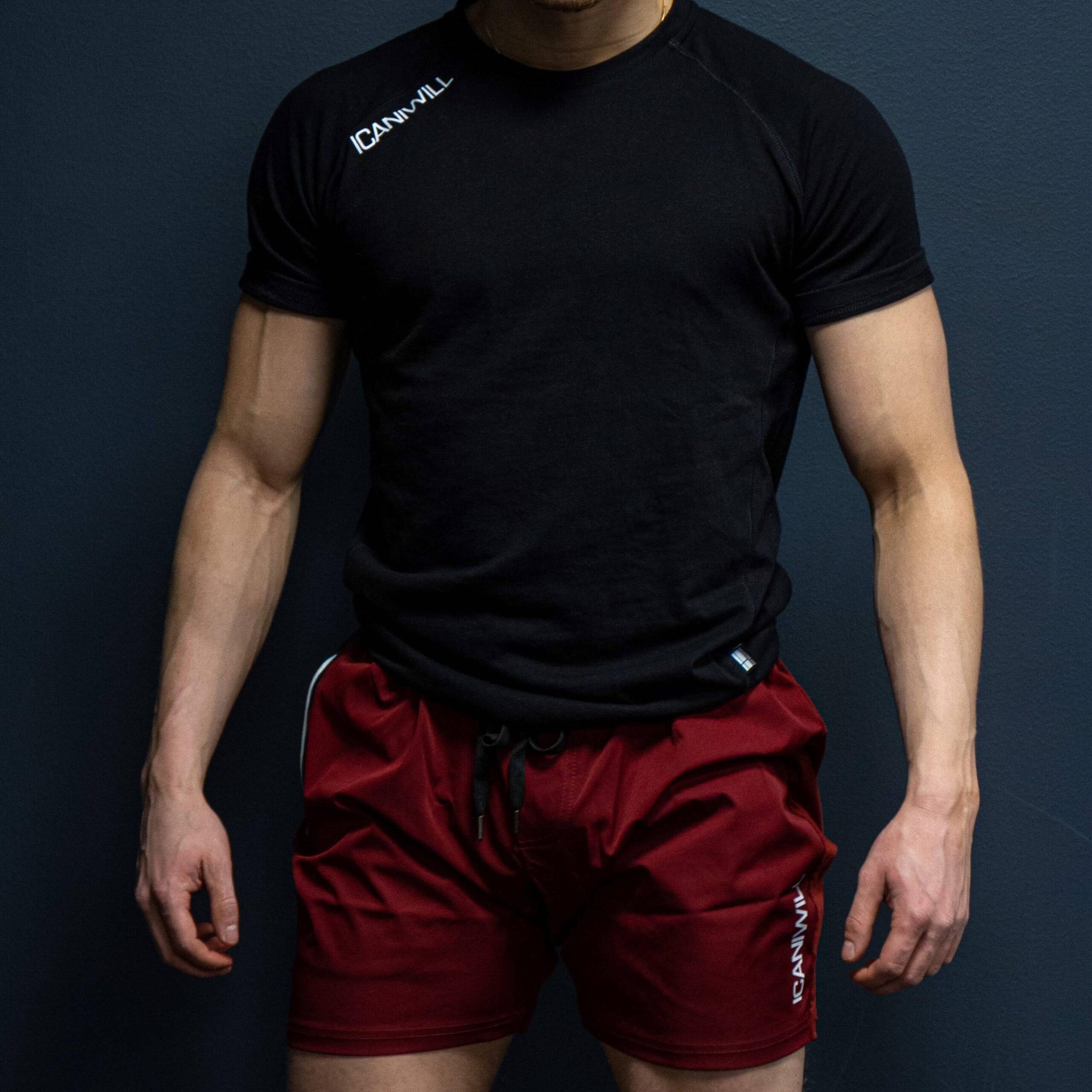
Cost drivers founders underestimate
- Trims — zippers, snaps, drawcords, elastics
- Labels — woven main labels, care labels, hangtags, stickers
- Packing — polybags, size stickers, carton marks
- Testing — if your retailer requires lab tests
- Revisions — each sample round costs time even when the sample fee is “cheap”
- Freight and duties — denser cartons and destination rules change landed cost
Price per piece without these assumptions is not a comparable quote. Ask for a line-item style quote that lists decoration, labels, and packing so your finance sheet is honest before you pre-sell.
How to brief a private label run (startup edition)
- Pick one hero product, not eight.
- Choose two colors maximum for v1.
- Provide size chart preference (US/EU) or ask the factory for theirs.
- Attach logo files and placement references.
- State target retail price band so fabric suggestions stay realistic.
- Share ship-to country for labeling and documentation.
Tradeem’s quote form asks for order quantity and allows file uploads (PDF, images, Office docs up to 15 MB) so your private label brief arrives complete. Use contact once with a full package instead of five incomplete emails.
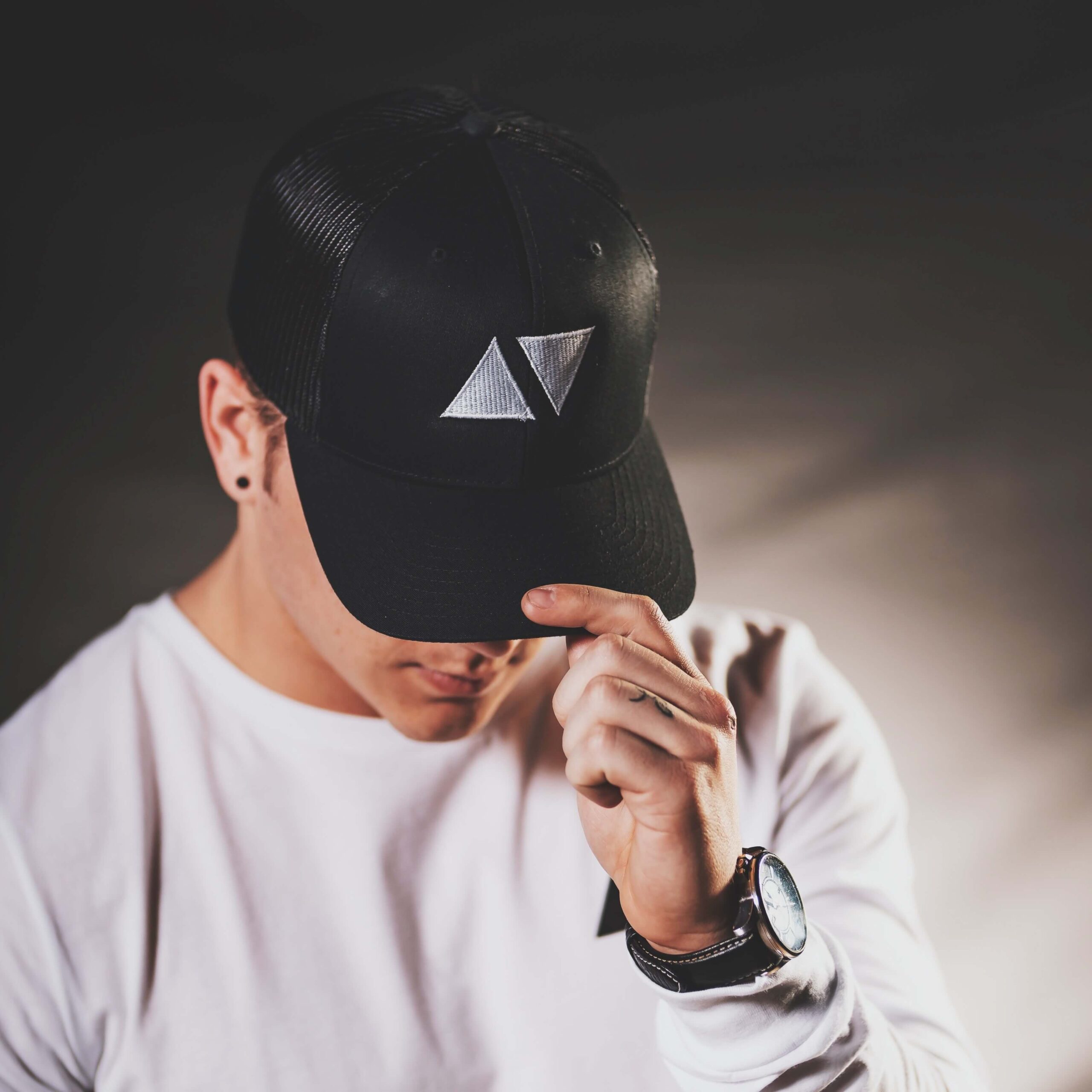
Sampling strategy that protects cash
Pay for a sample in the actual production fabric when possible. Approve fit before you debate hanger appeal photos. Use a simple revision log: date, what changed, who approved. When the sample is right, ask for a sealed reference. Bulk should match that seal — not a new interpretation from a different line supervisor.
If cash is tight, sample the hero color only. Do not pay for three color samples of a silhouette you have not worn yet. After fit approval, release additional colors against the sealed construction. That sequence saves money and prevents contradictory feedback across shade variants.
Categories that work well for private label in Sialkot
Factories with sports and casual heritage often excel at:
- Casual wear — tees, polos, hoodies, tracksuits
- Sports wear — team uniforms and athletic sets
- Fitness wear — training apparel
- Jackets — seasonal outerwear
- Caps and gloves as margin-friendly add-ons
Start where the factory is strongest. A private label hoodie that ships well creates credibility for a later jacket or fitness expansion. Browse the catalog to shortlist silhouettes before you invent a brand-new pattern set.
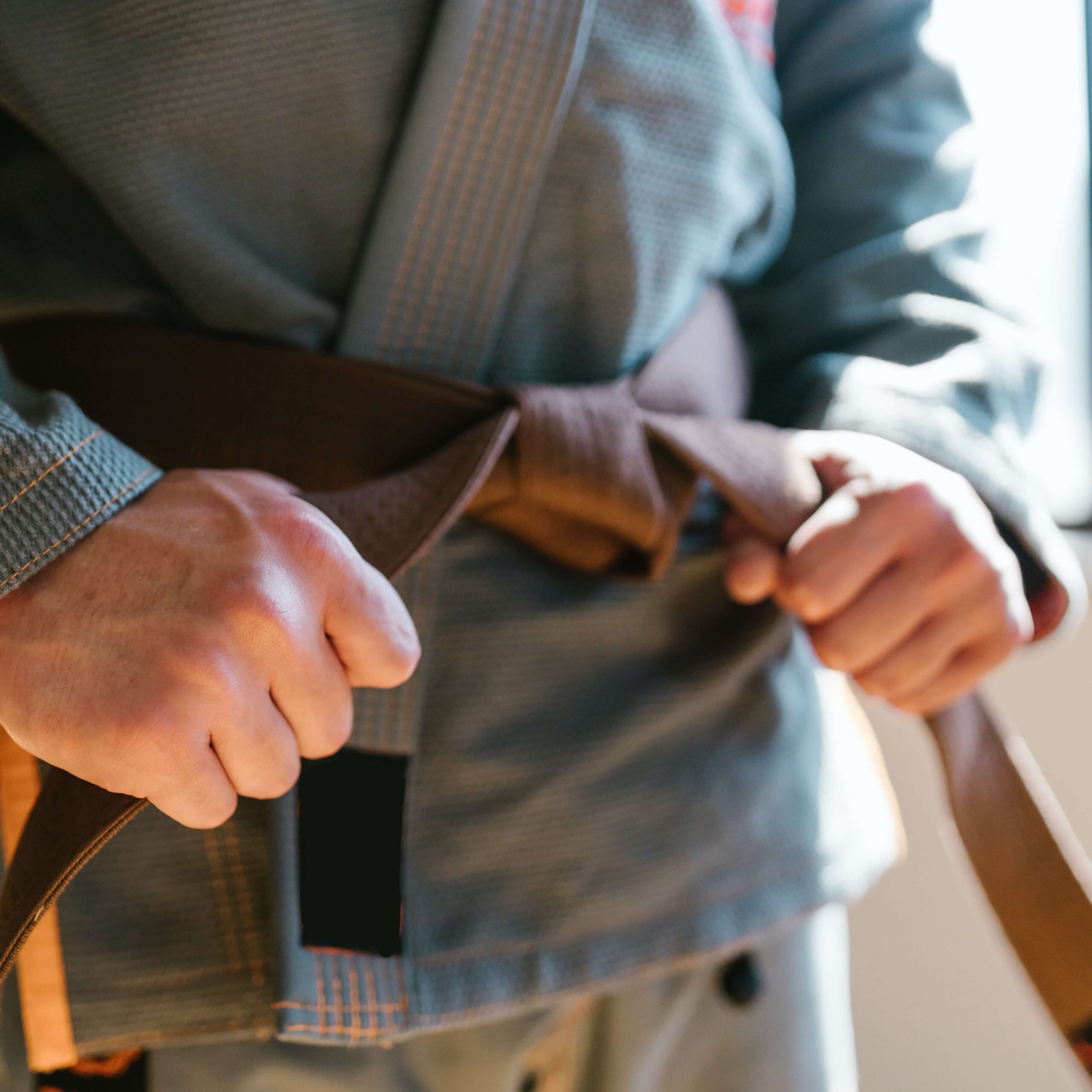
Comparison: private label blanks vs cut-and-sew custom
Decorated blanks can launch fastest for event merch and micro drops, but you inherit someone else’s fit and fabric story. Cut-and-sew private label or light OEM gives you more control over GSM, measurements, and brand labels — at the cost of sampling time and a higher true MOQ. Many startups use blanks for month one marketing tests, then migrate winning designs to a Sialkot cut-and-sew partner for better margin and consistency. Decide which stage you are in before you demand factory pricing that belongs to a different business model.
Packing, labeling, and shipping for private label brands
Your customer experiences packing as part of the product. Specify polybag thickness, size stickers, tissue, hangtags, and carton marks. If you sell on marketplaces, barcode rules and carton weight limits may be non-negotiable. Share those constraints before bulk packing starts.
For exports from Pakistan, clarify Incoterms, commercial invoice descriptions, and who handles freight booking. Ask for a packing list that mirrors your SKU structure so receiving into a 3PL is not a weekend of guesswork. If you consolidate apparel with caps in one shipment, keep SKU lines separate on documents even when cartons share a container.
QC checklist for private label apparel
- Measurements vs approved size chart
- Shade consistency within and across cartons
- Seam quality, stitching density, and loose threads
- Logo placement and decoration durability
- Main label, care label, and hangtag accuracy
- Size sticker and barcode correctness
- Hand-feel vs sealed sample reference
- Packing presentation for DTC unboxing
Agree how defects are photographed and whether you want an AQL-based final inspection. Founders who skip this conversation often discover problems only after inventory is already paid for and inbound.
Common mistakes when working with a private label clothing manufacturer
- Ordering too many SKUs before one hero proves sell-through
- Treating MOQ as a vanity metric instead of inventory risk
- Approving samples from substitution fabrics
- Ignoring labeling laws in the destination market
- Comparing FOBs without matching decoration assumptions
- Changing logo placement after embroidery is digitized
- Launching without a reorder plan for the winning size run
RFQ template for private label startups
- Brand stage (first drop / reorder / expansion)
- Hero style and reference links or photos
- Target quantity by color and size
- Fabric hand-feel notes or GSM targets
- Logo files and placement map
- Label and hangtag requirements
- Packing and barcode needs
- Ship-to country and desired timeline
- Retail price band (so fabric advice stays realistic)
Send that package through Tradeem’s contact form. Read about the company if you want context on the Sialkot manufacturing base before you place a deposit.
FAQ: low MOQ private label manufacturing
Is 100 pcs always available? Often for styles the factory already runs. Complex new constructions may need higher minimums.
Can I mix sizes to hit MOQ? Usually yes — confirm in writing.
Do I need a full tech pack? Not always for catalog-based private label, but clear measurements and art still matter.
When should I add a second product? After the first style sells through cleanly and QC issues are understood.
Can one factory handle apparel and accessories? Many Sialkot partners can — useful for caps and gloves after core apparel works.
Red flags when choosing a private label clothing manufacturer
- No questions about your market or labeling needs
- Refusal to sample in production fabric
- Quotes that ignore decoration entirely
- Pressure to place huge deposits before any sample approval
- No clear communication channel or file-handling process
Cash-flow planning for the first private label PO
Map sample cost, deposit, balance before ship, freight, and a reserve for defects or size swaps. If your launch depends on preorders, align customer ship promises with realistic production weeks — not optimistic social-media timelines. Founders who sell hard launch dates before fabric is confirmed often burn trust twice: once with customers and once with the factory when rushed changes create quality issues.
After the first inbound, review sell-through by size before you reorder. Dead inventory in extreme sizes is a common private label tax. Adjust the size curve on PO two instead of blindly repeating PO one.
How Tradeem fits
Tradeem International is a family-owned manufacturer in Sialkot offering custom and private-label apparel with embroidery, screen printing, and sublimation options depending on the product. Start from the catalog, pick a silhouette, then request a quote with quantity and artwork. Keep v1 narrow, learn from the first shipment, then expand colorways.
A trustworthy private label clothing manufacturer will not pretend MOQ is magic. They will show you where costs come from — and help you design an order that your cash flow can survive while still looking premium on arrival.
Ready to manufacture with Tradeem?
Share your quantity, category, and files — we respond with real pricing and lead-time guidance.
Get a free quote