Sourcing
Sample Before Bulk: Don’t Pay a Factory Deposit on a Mockup
November 26, 2026 · 11 min read
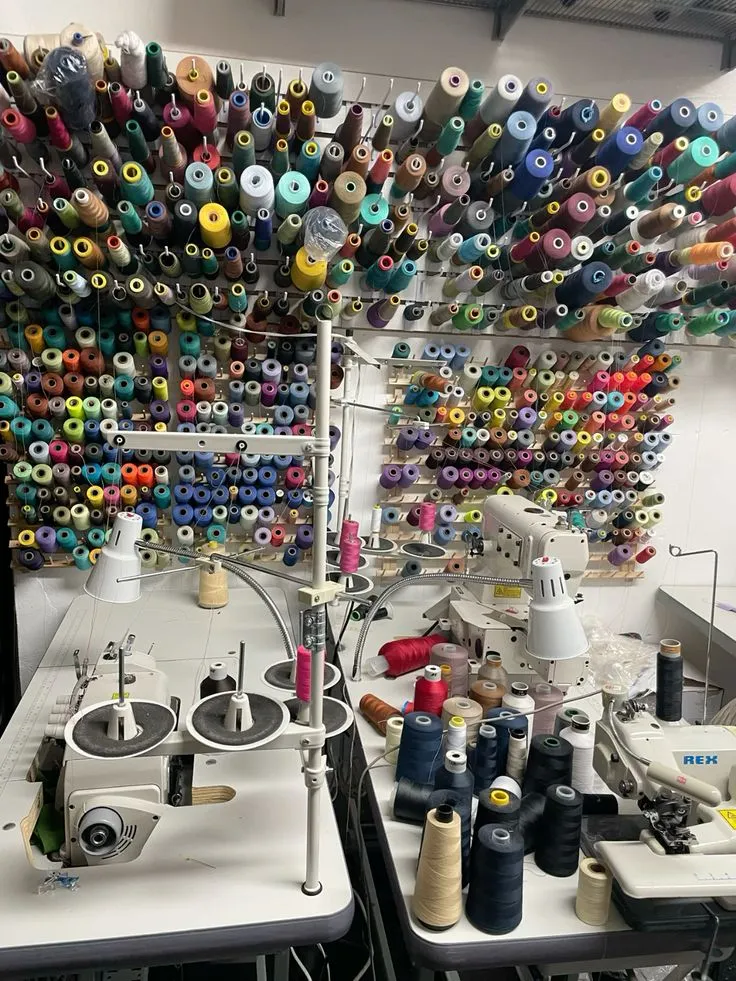
A Pakistan OEM’s rule for private-label orders: approve a physical sample before bulk. It’s the same inspect-first habit Japanese-import yards use on auction sheets.
Here’s a deal that goes wrong all the time.
A buyer finds a factory online. The mockup looks perfect. The price is fair, the logo is crisp, and the colours are exactly right. The factory asks for a deposit, and the buyer pays.
Six weeks later, a carton arrives. The fabric is thinner than expected. The colour is a shade off. The logo sits too low.
The mockup wasn’t a lie. It just wasn’t a garment.
We see the same story in our own trade, which is checking Japanese used cars before people pay for them. The goods are different, but the mistake is the same. Someone paid against a picture.
Two trades, one trust problem
At SheetJP, we verify original Japanese auction sheets by chassis number. A buyer in Karachi or Lahore can’t stand on the auction floor in Nagoya. A brand overseas can’t stand on a cutting table in Pakistan. Both have a phone, a PDF and a request for money.
The overlap isn’t cars or clothes. It’s who gets paid before the buyer has seen the real thing.
If you buy cars from Pakistan, our notes on auction sheet verification in Pakistan show how this plays out locally. If you order garments from a Pakistan factory, keep reading.
A photo is a claim
An auction sheet is a full page. It has an overall grade, interior and exterior letters, the odometer reading, equipment, inspector notes and a damage map. If you can’t read one yet, start with our guides on auction sheet symbols and what the R and RA grades mean.
What buyers often get instead is a WhatsApp photo. It’s cropped, or edited, or it only shows the nice corner. That’s why a WhatsApp photo of an auction sheet is a claim, not a record.
A factory mockup is the same kind of thing. It can’t show you the weight of the fabric, the stitch quality, the true colour in daylight or where the logo lands on the finished piece. That all lives on cloth.
How buyers avoid it with cars
For cars, the fix is simple. Ask for the full chassis number. A model name isn’t a car, and our guide on what a chassis number is shows where to find one. Then pull the original record before you send a token, following our steps to verify a sheet by chassis number.
If a seller says “pay the token first, chassis later,” walk away. We wrote about exactly that in why you shouldn’t pay a token before the chassis number.
How buyers avoid it with clothes
The apparel version of that rule is how Tradeem International, a Pakistan OEM manufacturing since 2015, runs every order: nothing enters bulk until you sign off a physical sample.
Here is the Tradeem process in four steps:
- Consultation. Share your specs, tech pack or reference designs. Quantity, fabric and timeline get scoped together.
- Sample and approval. A physical sample ships to you. Nothing goes into bulk until you approve it.
- Production. Cutting, stitching, printing and embroidery run in-house with checkpoints at each stage.
- QC, packing and shipping. Every unit is inspected, packed to your spec, and shipped with export documents handled.
Read the full path on how we work. Think of your brief as the chassis number. “Hoodies for the team” is a model name. Style, quantity, fabric and decoration is the full frame. It gives the factory something exact to build and gives you something exact to approve.
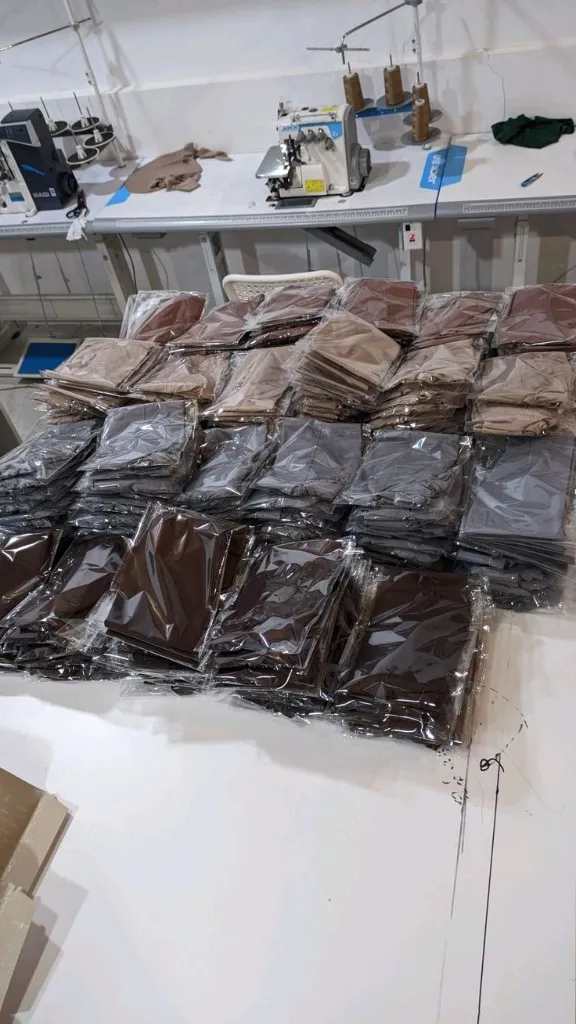
What a sample costs, and what you should ask
Be careful with “free sample” promises. Tradeem’s sampling terms are clear that free sampling is never automatic. After reviewing your brief, the factory decides whether a free sample, a paid sample, or a sample credit against a bulk order makes sense. Even if a sample is free, shipping may still be charged unless it’s stated in writing.
When a sample is paid, the cost and courier charges are quoted up front. Production doesn’t start until you approve the sample in writing. Extra sample rounds may be chargeable, and changes after approval can reset timelines and pricing.
That clarity is what you want from any factory. Ask these before you pay anything:
- Is the sample free, paid or credited against bulk?
- Who pays shipping?
- What counts as approval, and how is it recorded?
- What happens to price and timeline if I change something after approving?
Pick your line, then brief it
Tradeem makes programmes across nine product lines, and each category page shows what can be run as a custom order:
- Jackets: varsity, puffer, bomber, softshell, fleece and rain jackets
- Sports Wear: team uniforms for football, basketball, soccer, cricket, rugby and more
- Casual Wear: T-shirts, polos, hoodies and tracksuits
- Martial Arts: jiu-jitsu, judo, taekwondo, MMA and Muay Thai gear
- Caps, Gloves and Bags, plus Fitness Wear
You can also browse all products, or read more about the company. When you know what you want, send a quote request with your brief. Most enquiries get a reply within one business day.
Same rule, same warning sign
Whether it’s a car or a carton, one thing should worry you: a seller who won’t show you the real thing.
“Inspection after the token” on a car and “deposit first, sample later” on a factory order are the same red flag. A seller who is sure of their product has no reason to avoid checking.
On the car side, our guide to the real risks of importing a Japanese car covers odometer fraud, hidden repairs and flood damage. All of them hide well in a photo.
Your checklist this week
- Buying a car? Get the full chassis number. Verify the original auction sheet before any token.
- Ordering apparel? Write a tight brief. Approve a physical sample before bulk.
- Doing both? Keep them separate. A car token and a factory order are two different inspections.
Frequently asked questions
Why shouldn’t I pay a factory deposit on a mockup?
A mockup is a picture of what the factory plans to make, not something it has made. Colour, fabric weight, stitching and logo placement only show up on a real sample. Approve one first, then pay for bulk.
Is a sample from Tradeem free?
Sometimes. Free sampling is offered case by case after your brief is reviewed. It may instead be a paid sample, or a sample credit against a bulk order, and shipping can still be charged. The details are in the sampling terms.
What is the minimum order?
Catalog styles start from 10 units. Decorated private-label programmes often need higher minimums per style and colour, so confirm your numbers in your quote. You can request one here.
What should go in a good brief?
Include the style or catalogue item, quantity, destination, fabric, decoration method (embroidery, print or sublimation) and your deadline. The more exact it is, the closer the sample will be to what you want.
What do auction sheets have to do with clothing orders?
Nothing directly. The link is the habit. In both trades, the buyer is far away and the seller wants money early. Checking the original record first protects you. For cars, that’s the auction sheet. For garments, it’s a physical sample.
How much does it cost to verify an auction sheet?
Instant verification on SheetJP is $10 USD when a strong match exists. If the lookup can’t find a sellable sheet, you aren’t charged. See how it works, and if a lookup finds nothing, read what to do after a miss.
Where can I check what a grade or chassis code means?
SheetJP has free tools for this, including an auction grades guide and a chassis decoder.
About the author: SheetJP verifies original Japanese auction sheets by chassis number, so buyers can check grade, mileage and damage before they pay.
Ready to manufacture with Tradeem?
Share your quantity, category, and files — we respond with real pricing and lead-time guidance.
Get a free quote