Service
Custom Embroidery Manufacturer — Logos That Last
Digitize once — stitch consistently across your bulk order.
Inquire now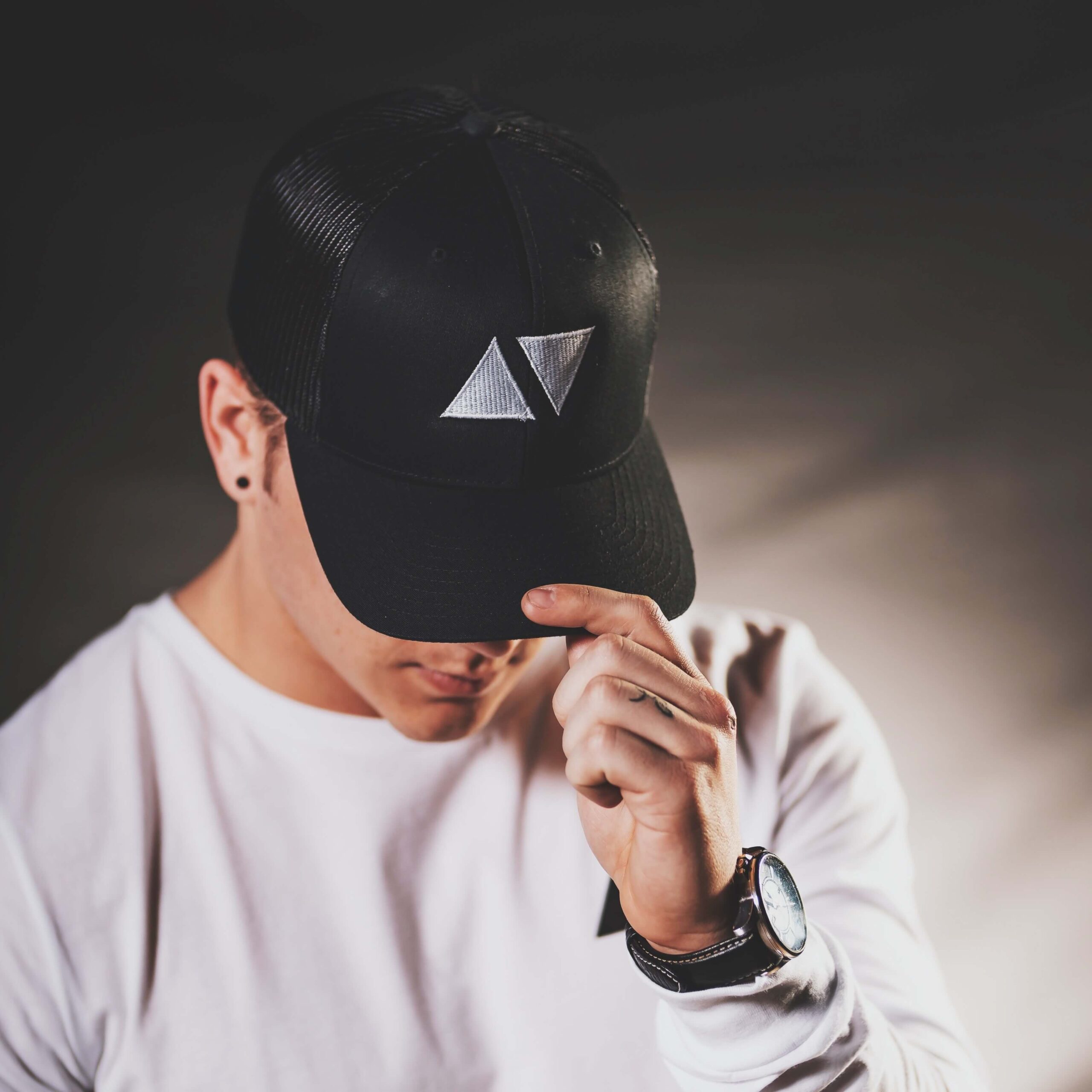
Overview
Start your program with Tradeem
Tradeem International offers custom embroidery manufacturer capacity in Sialkot for brands, clubs, and wholesalers that need durable logos on structured and soft goods. Embroidery suits jackets, caps, polos, and many uniforms where a premium hand-feel and long-wear identity matter more than a flat print alone.
We digitize artwork into stitch files suited to fabric type and logo size, then confirm placements before bulk. Pair embroidery with our cut-and-sew programs so panels stay flat and aligned — especially on caps and jackets where registration and stabilizer choices show immediately.
Browse related goods in the catalog, learn briefing tips on the blog, and send vector artwork with your quantity through contact for a practical embroidery quote.
Why brands choose custom embroidery
Embroidery creates raised, durable marks that survive washing and field use better than many low-cost print shortcuts on structured goods. Clubs, corporate programs, and fashion labels use embroidery for crests, wordmarks, and multi-color logos that need to look intentional at arm’s length and on camera. As a custom embroidery manufacturer, Tradeem focuses on digitizing quality, placement discipline, and fabric-aware stitching — not one-size-fits-all stitch densities.
Embroidery is not automatically right for every fabric. Ultra-light knits, heavy stretch panels, and some waterproof shells need special handling or alternative decoration. We advise per style during sampling so you do not discover puckering only after a full bulk run leaves Sialkot.
Digitizing, placement, and fabric pairing
Clean embroidery starts with clean files. Vector artwork (AI, EPS, SVG, PDF) converts more reliably than low-resolution raster logos. Digitizing adjusts stitch types, underlay, and density for the target fabric. Placement maps for chest, sleeve, cap front, left chest, and back yoke are locked before bulk so operators are not improvising positions size by size.
- Crest and badge embroidery for clubs, academies, and private labels.
- Wordmarks and monograms on polos, shirts, and outerwear.
- Cap front and side logos with stabilizer choices suited to structured crowns.
- Multi-color programs with thread color approvals before production stitching.
Embroidery with cut-and-sew — one accountable flow
Many embroidery failures happen when decoration is treated as a separate afterthought. Tradeem plans embroidery with garment construction: seam clearance, zipper proximity, and panel stretch all affect stitch quality. That is why jackets and caps are common embroidery carriers in our programs — see jackets and caps — and why sample stitch-outs matter for complex art.
You can combine methods when products allow — for example an embroidered crest with printed numbering on related kit pieces. Those hybrids should be confirmed early so costing includes both setups and so QC knows which defects belong to stitch versus print.
Briefing Tradeem for embroidery success
Include vector logos, intended size in centimeters or inches, placement notes, garment type, and quantity. If thread colors must match brand Pantone-like targets, say so upfront; thread shade ranges differ from print ink behavior. For preparation checklists and common artwork mistakes, read our Resource Hub, then submit files via contact.
Why partner with us
What you can expect from this service
Digitizing support
Vector logos converted to stitch files with underlay and density suited to fabric type, logo size, and garment structure — not a generic default program.
Placement discipline
Chest, sleeve, cap front, and back positions confirmed before bulk so size runs stay visually consistent across the order.
Fabric-aware stitching
Stabilizer and stitch density chosen to reduce puckering on lighter goods and to hold registration on structured shells.
Team & brand marks
Crests, wordmarks, and multi-color logos for clubs, academies, wholesalers, and private label programs that need durable identity.
Paired with cut-and-sew
Garments and embroidery planned together so panels stay flat, seams stay clear, and logos do not land on stress points.
Sample stitch-outs
Approve a stitched sample when artwork is complex or multi-color before locking the bulk embroidery program.
Capabilities
Embroidery methods and applications
Logo digitizing
Convert brand artwork into production stitch files optimized for the target fabric and size.
Left-chest & sleeve marks
Standard brand placements for polos, shirts, and outerwear with clear spacing rules.
Crest & badge work
Detailed crests for clubs and academies with thread color planning and density control.
Cap embroidery
Front and side logos on structured and soft caps with stabilizer choices that protect the crown shape.
Multi-color thread programs
Layered color embroidery with approvals so bulk thread lots match the sealed stitch-out.
Hybrid decoration orders
Coordinate embroidery with print on related pieces when a kit or collection needs both methods.
Process
Embroidery workflow
01
Artwork intake
Prefer vector files. We flag elements that will not stitch cleanly — hairline details, unsupported gradients, or excessive color counts.
02
Digitize & place
Stitch file and placement map are prepared for your garment type, fabric, and logo size.
03
Thread & size confirm
Thread colors and finished logo dimensions are confirmed against brand guidelines before sampling when required.
04
Sample approval
Review a stitched sample for complex art, then lock the program for bulk consistency.
05
Bulk embroidery
Production stitching with checks for thread color, registration, and placement across sizes.
06
Finish & pack
Trim excess, inspect, and pack embroidered goods with the rest of the order for export.
FAQs
Common questions
What file types work best for embroidery?
Vector formats (AI, EPS, SVG, PDF) are best because edges and color separations stay clean for digitizing. High-resolution PNG can work for simple marks after review, but complex logos usually need redrawing. Always include intended finished size and placement notes with the file.
Can you embroider and print on the same order?
Yes, when the product mix allows — for example an embroidered crest with printed numbering on related kit pieces. Confirm hybrid methods early so setups, MOQ, and QC criteria are clear for both decoration types.
Is embroidery available on all fabrics?
Most wovens and many knits work well. Ultra-light, heavily stretch, or some coated fabrics need special handling or may be better suited to alternative decoration. We advise per style during sampling rather than promising universal compatibility.
Do I need a stitch-out sample every time?
Simple, previously approved logos on familiar fabrics may move faster. New artwork, multi-color crests, or sensitive fabrics should sample first. A stitch-out prevents expensive bulk surprises and becomes the reference for thread and registration checks.
How are embroidery placements kept consistent across sizes?
We lock a placement map relative to seams and landmarks (e.g., distance from shoulder seam or placket). Operators follow that map; QC spot-checks registration. Changing placement mid-PO without a new sample risks visual inconsistency across the size run.
How do I get an embroidery quote from Tradeem?
Send vector artwork, garment type, quantity, and placement notes through the contact form. If garments are also being cut and sewn with us, include construction files in the same brief so decoration and sewing stay coordinated.
Ready to discuss this service?
Share quantity, category, and files — we respond with pricing and lead-time guidance.
Get a free quote